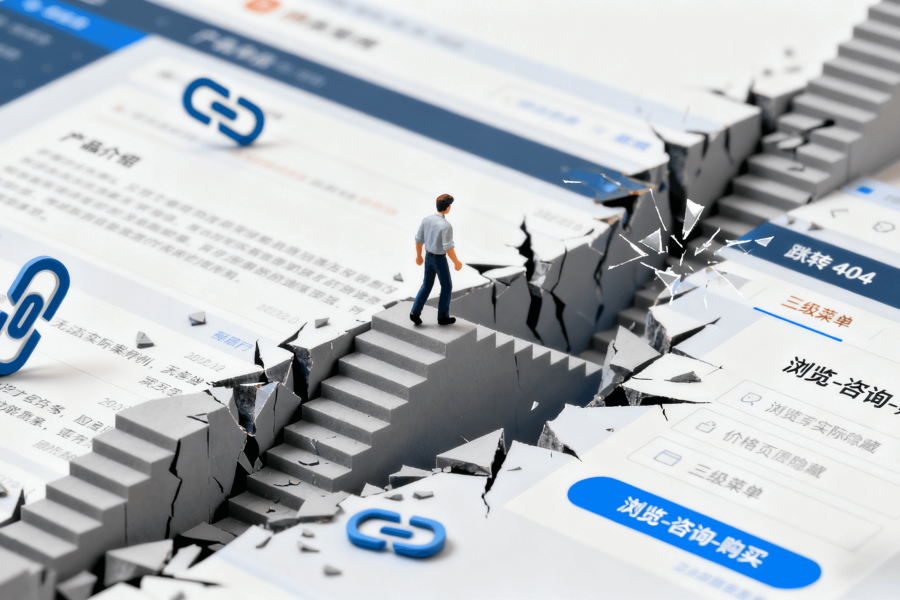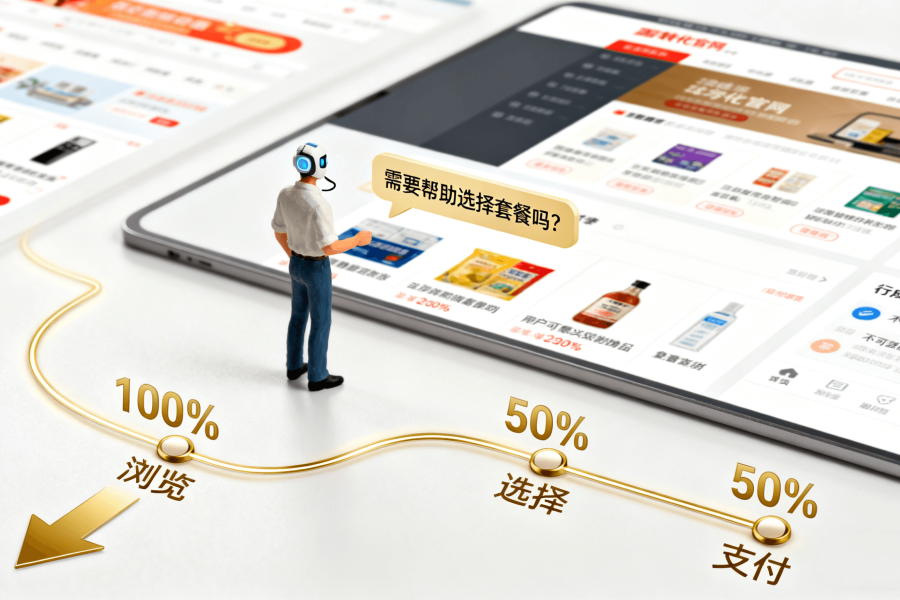
In today’s template-saturated web landscape, almost every company has an official website. Yet browsing many of them feels like scrolling through short-form videos: if users are not engaged within the first three seconds, they close the page immediately. A strong template feel and widespread visual sameness are major reasons many corporate websites go unnoticed.
So, what kind of design can genuinely stand out? The following practical insights are drawn from multiple 58UI projects. Use them as a reference—or as criteria when choosing a web design company or planning a website redesign.
1. Do Not Build a Website That Is Merely “Viewable”—Build One That Can Be Felt
Looking good is the foundation, but creating a feeling is what makes people stay and remember. For example, we once redesigned the website of a smart-device company. The original site was filled with technical terminology and feature descriptions, but what users actually wanted to know was: “If I buy this device, will I really be able to see clearly at night?”
In the redesign, we used a high-contrast image and concise copy—“See Clearly. Stay Protected.”—to address that pain point directly. Within one month of launch, inquiries increased by approximately 20%.
2. The Visual First Impression Really, Really Matters
People decide whether they like a website the moment they arrive. An attention-grabbing design does not need to be complicated. It needs to be clean, focused, and well paced.
-
Use generous whitespace, carefully selected high-quality imagery, and simple sans-serif typefaces.
-
Create hierarchy between primary and secondary colors—for example, black and white paired with metallic or gray tones—while maintaining visual consistency and a distinctive style.
-
Use imagery, typography, and layout to make the brand’s character immediately apparent: “This website feels trustworthy, refined, technological, or full of story.”
3. Add Small Signature Details to the Website
Small, well-crafted highlights are often more memorable than a screen full of flashy effects. Signature details are not there to show off; they give people one more reason to remember the brand.
For example, for a plant-based beverage brand, we added details such as:
-
Plant leaves that sway subtly as users scroll.
-
Hand-drawn patterns or animated ingredient stories on product pages.
-
Small illustrated elements with a consistent style in selected icons and backgrounds.
These details are simple, but they add substantial value. They help users remember “the beverage brand with the plant animations.”
4. Performance and Mobile Experience: Make Sure the Design Can Be Implemented Successfully
Visual impact and personality matter, but their advantages disappear if pages load slowly or lag on mobile devices.
-
Compress images with modern formats such as WebP.
-
Remove unnecessary scripts and plugins.
-
Prioritize mobile loading speed and aim to load pages within two seconds for a strong user experience.
-
Pay attention to responsive behavior: navigation, imagery, and typography should be adapted differently for phones, tablets, and desktop screens.
After we optimized one project, its mobile loading time dropped from seven seconds to 1.5 seconds, and its bounce rate decreased by approximately 40%.
Summary
Competition is becoming increasingly intense. Your website may already exist, but it may lack memorability and differentiation. What matters is not how long users intend to browse, but whether the first impression moves them.
Think carefully about users, communicate sincerely, and refine every small detail.
You do not need a lavish budget or a showcase of technical tricks. Professionalism, care, and differentiation are enough to make a website shine among its competitors.
At 58UI, we focus not only on visual impact, but also on user perception and brand trust. If you are preparing to build or redesign a website, contact us. Together, we can create a site that not only looks excellent, but is genuinely memorable.
Corporate website design, differentiated visual design, user first impressions, visual appeal and usability, mobile website performance optimization, personalized brand experience