Across custom website and redesign projects for more than 500 companies, 58UI frequently encounters the same situation: a business invests a substantial budget in its official website, only to receive very little traffic, few inquiries, and almost no conversions after launch. The problem is usually not a lack of attention to design, but attention directed toward the wrong priorities. Below are three commonly overlooked design traps that must be avoided, along with practical solutions.
1. Trap One: Focusing Only on Appearance While Ignoring Usefulness
When many companies approach a designer or design team, their first request is: “We want a premium visual style with a refined feel.” Visual quality is important, but if the website cannot clearly communicate who the company is, what it does, and what problems it solves, even the most attractive design is merely decoration. If users cannot understand the site or take action, they are unlikely to make an inquiry or place an order.
Recommended solutions:
-
Define the company’s core positioning and target customers at the beginning of the project—for example, “Who do you serve?” and “What value do you provide?”
-
Plan the content structure and page layout first. Communicate essential information—value proposition, services, case studies, and contact details—before expanding into supporting content.
-
Include trust-building elements such as client logos, customer testimonials, and professional certifications to strengthen credibility and reliability.
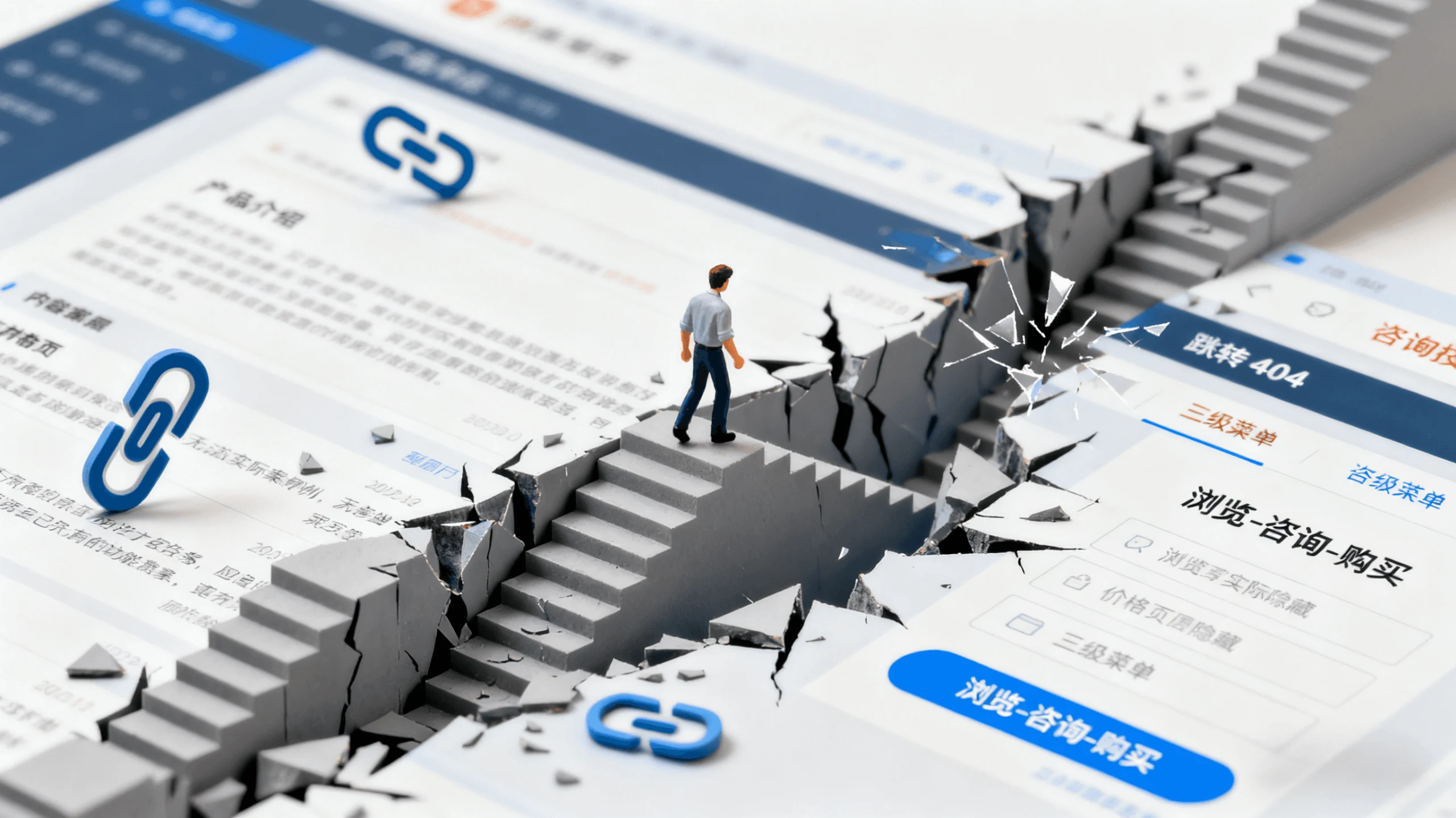
2. Trap Two: Ignoring SEO Structure and Launching an “Invisible” Website
A visually polished website is effectively offline if search engines cannot discover or understand it. Many companies make the following SEO mistakes:
-
Important content is embedded in images with little readable text, preventing search engines from identifying relevant keywords.
-
URLs are unclear or meaningless, such as /page?id=1234, and do not indicate the page topic or target keywords.
-
Meta titles or descriptions are missing or duplicated, so pages do not send clear topical or keyword signals.
-
Basic SEO configurations such as a sitemap and robots file are absent, leaving search engines without a clear path for crawling.
Recommended solutions:
-
Present all essential information—company name, service categories, and key case-study benefits—as text on the page rather than relying entirely on images.
-
Use descriptive keywords in URLs, such as /brand-design-case/xxxxx or /services/website-development, and maintain a clear logical structure.
-
Create a unique SEO Title and Meta Description for every page, clearly indicating its topic and target keywords.
-
Configure sitemap.xml and robots.txt in advance so search engines can discover and index pages successfully.
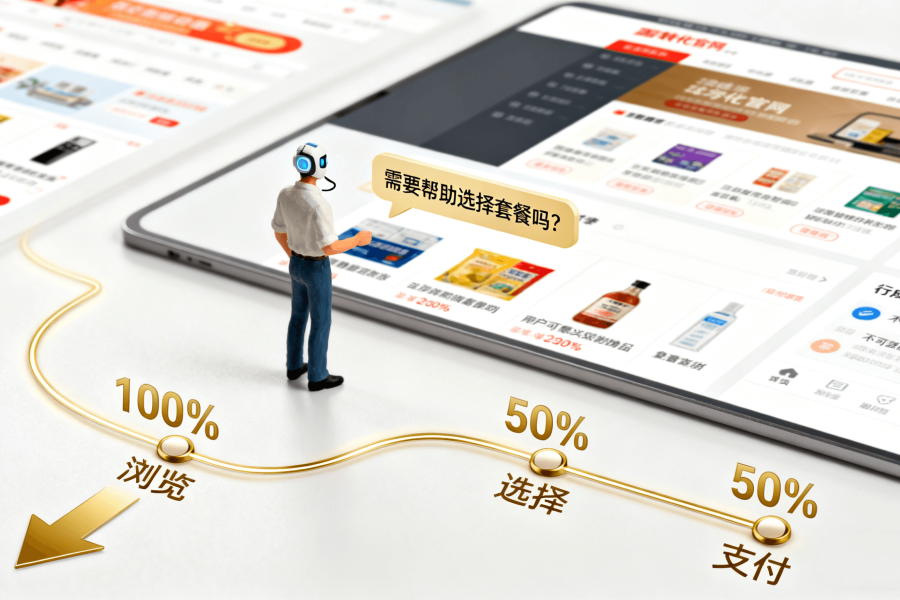
3. Trap Three: Lacking a Clear Conversion Goal, So Users Do Not Know What to Do Next
A content-rich and visually attractive website without clear guidance can still feel cold and unresponsive. Users arrive without knowing where to click, how to make an inquiry, or how to place an order—and often leave.
Essential elements:
-
Define the website’s primary conversion action: submitting a requirements form, booking a demonstration, requesting a quotation, making a purchase, or registering.
-
Design clear conversion paths on the homepage and key pages, including product, service, and case-study pages, so users understand the next step within the first screen or after only a few scrolls.
-
Make contact options prominent. Buttons, forms, and customer-service entry points should appear in easy-to-find locations.
-
Use guiding, value-oriented language. Button copy such as “Get a Free Quote” or “Book a Dedicated Consultant” is stronger than generic labels such as “Submit” or “Contact Us.”
Conclusion
Many corporate websites fail not because they lack visual quality, but because they ignore user needs, conversion paths, and the requirements of search engines. Recognizing these traps early helps turn design investment into real business value more quickly.
At 58UI Design Studio, we provide custom visual and UI/UX services while refining corporate websites across three dimensions: SEO architecture, conversion objectives, and user experience. If you are considering a redesign or a new website, contact us. Together, we can avoid these traps and create a site that looks good, works well, and can be found.
Corporate website design, common website design mistakes, conversion-rate optimization, SEO and visual design, practical user experience, website structure planning