
Redesign or Iterate? A UI/UX Decision Framework for Product Teams
A practical framework for deciding whether a product needs focused iteration, staged restructuring, or a full redesign based on evidence, scope, risk, and system debt.
We share practical perspectives on UI/UX, interface design, and digital product experience—grounded in real project decisions and an evolving industry.
A practical framework for deciding whether a product needs focused iteration, staged restructuring, or a full redesign based on evidence, scope, risk, and system debt.

Learn how to define testable criteria for layout, component states, content, accessibility, and interaction before design work moves into production.

Build a corporate website around the questions buyers need answered, using a practical process for audience tasks, content grouping, navigation, and testing.

A practical operating model for content ownership, component rules, change approval, release checks, and maintenance after a corporate website launches.

Choose a brand refresh when the strategy still works but expression has weakened; consider a full rebrand when the audience, promise, or business structure has changed.

A practical framework for building one brand system across Chinese and English, covering type roles, hierarchy tokens, layout behavior, and bilingual review.

Design activation around the first outcome users genuinely value, then align signup, setup, guidance, feedback, and measurement with reaching that outcome.

Low feature adoption is not always a visibility problem. Diagnose whether users face barriers of discovery, comprehension, trust, or effort before redesigning.

Compare AI design tools through repeatable real-world tasks, scoring output quality, control, workflow fit, privacy, collaboration, reliability, and total effort.

Build review into AI-assisted design from the start with risk tiers, input controls, provenance records, brand checks, quality gates, and clear approval roles.
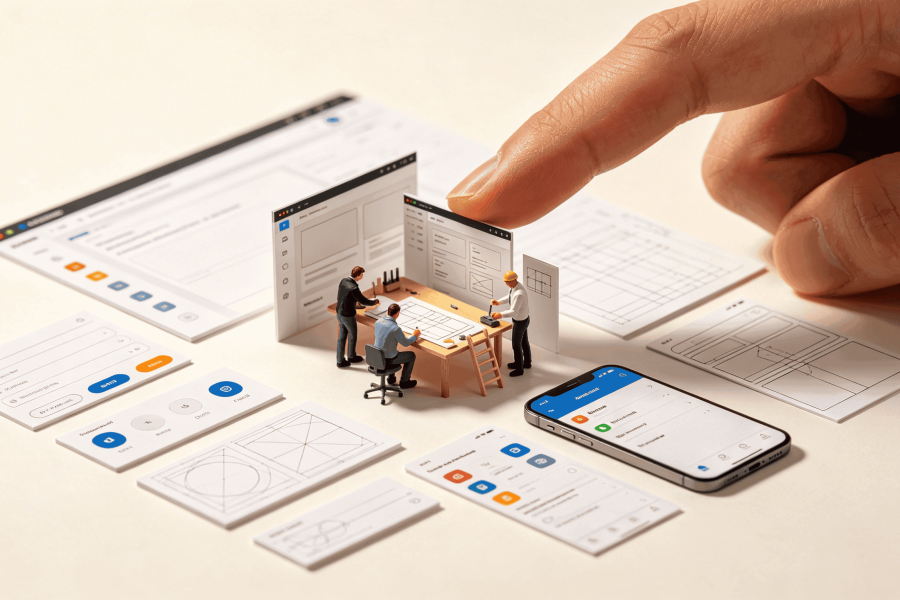
A practical look at how UI design improves clarity, structure, conversion, and brand expression beyond visual polish.

A clear guide to moving from discovery and content planning through design, development, and launch.

The main factors behind website pricing, from scope and design depth to development complexity and ongoing support.

How product experience, interface structure, and business goals work together to support a stronger digital product.
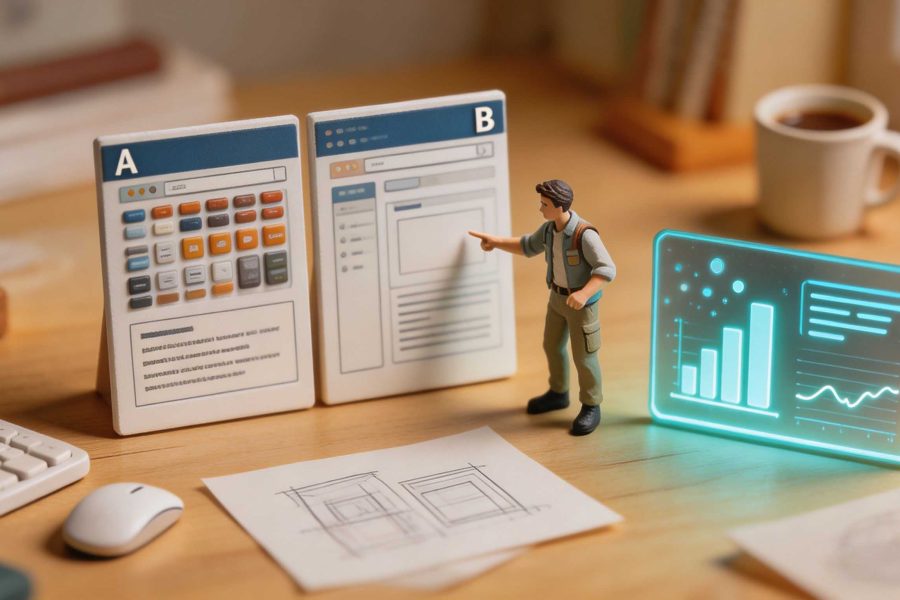
How designers can use A/B testing to validate important product and experience decisions with real data.

A practical workflow for analysing reference images, shaping prompts, and improving AI-assisted visual exploration.
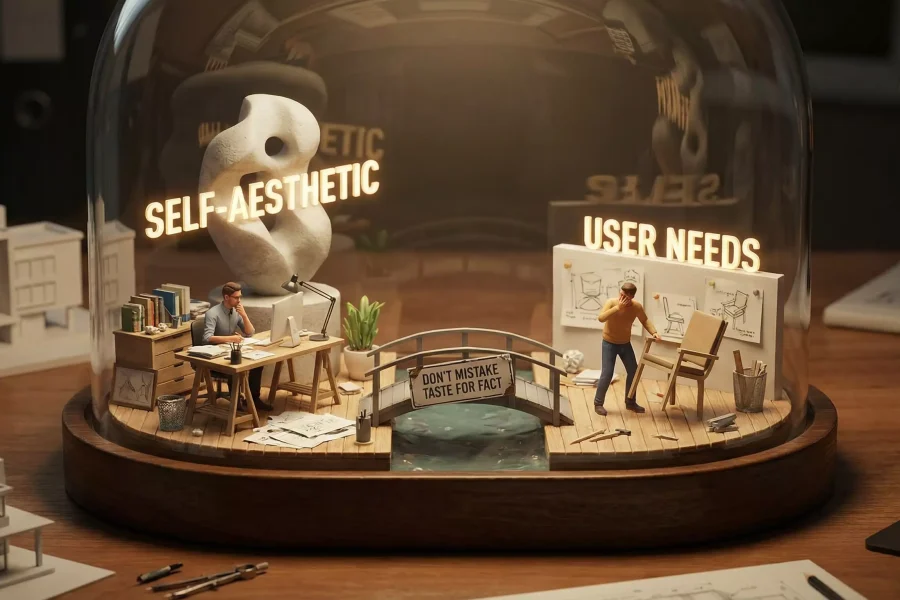
How designers can separate personal preference from user needs and make decisions grounded in real contexts.

A practical perspective on building professional trust through clear communication, decisions, and delivery.

How project retrospectives help teams learn from both process and outcomes and improve future decisions.

How type choices shape tone, hierarchy, and the way users understand a product or brand.

Why transparency, feedback, and clear system behaviour matter when people interact with AI products.
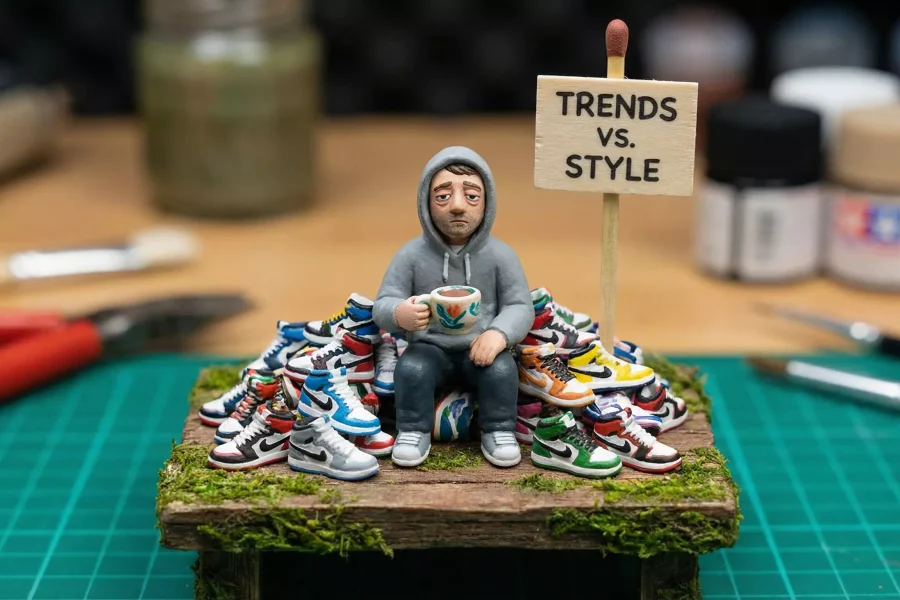
A grounded approach to recognising trends while maintaining a clear, durable design point of view.
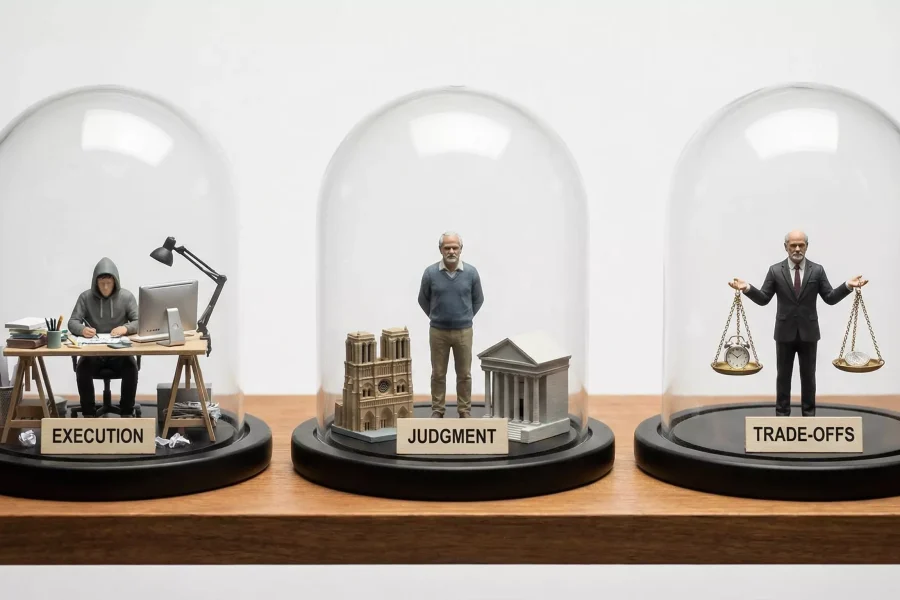
In UI design and the UI/UX design field, many designers pass through a stage in which they work on projects, interfaces, and optimizations every day, yet feel increasingly confused and directionless. This is often…

Inclusive design has remained a frequent topic on X, and many designers summarize the problem in one sentence: do not treat accessibility as “a special mode added at the end.” Doing so leaves some…