In UI design and user experience design, trends never disappear.
What truly disappears is your tolerance for them.
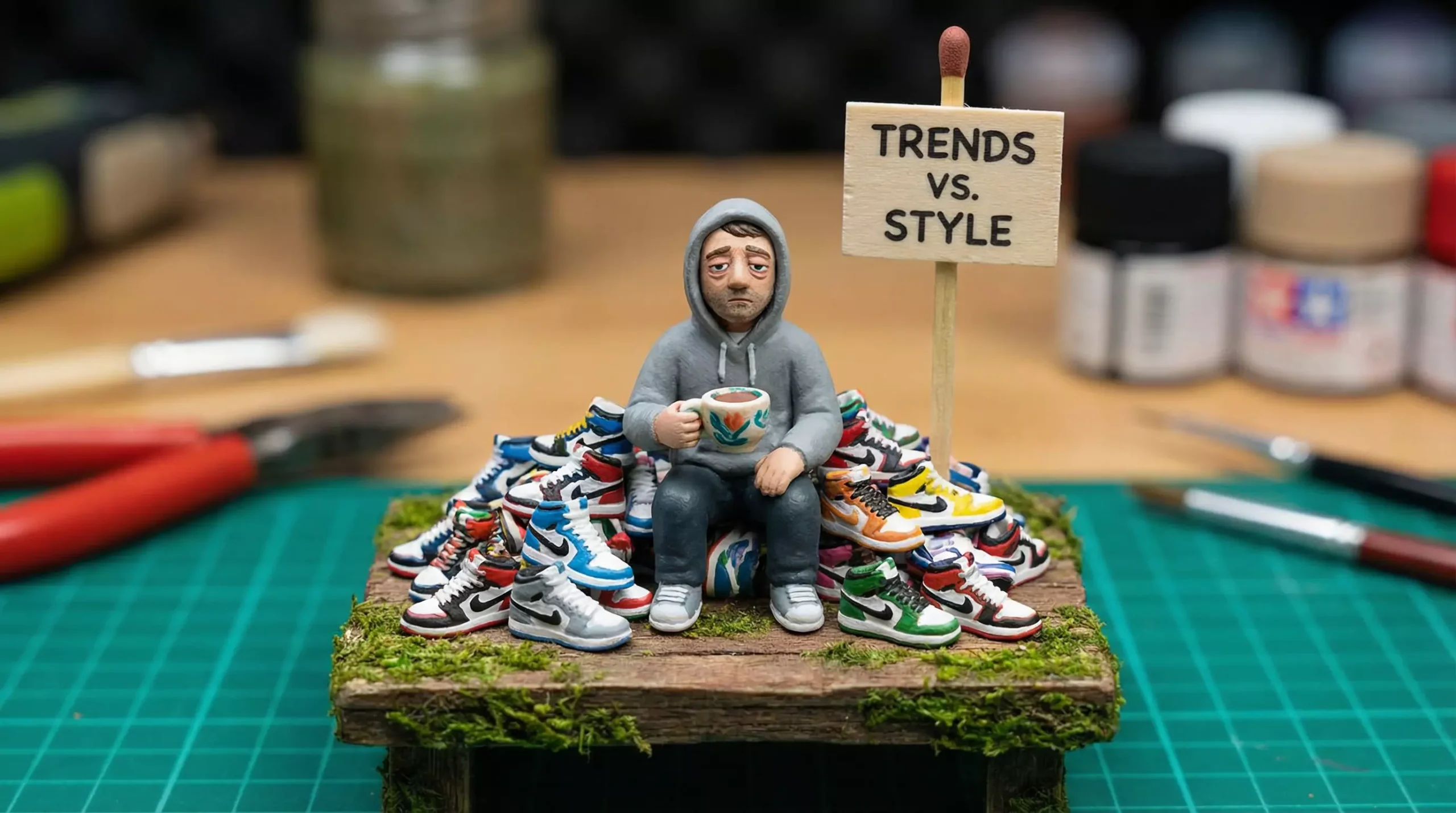
When you begin to feel that “all design looks the same now,” it does not mean you no longer love design. It means you have been continuously fed the same forms of expression: similar layouts, similar typefaces, and similar motion languages. Over time, the brain automatically becomes less sensitive to this information. This is what we call “aesthetic fatigue.”
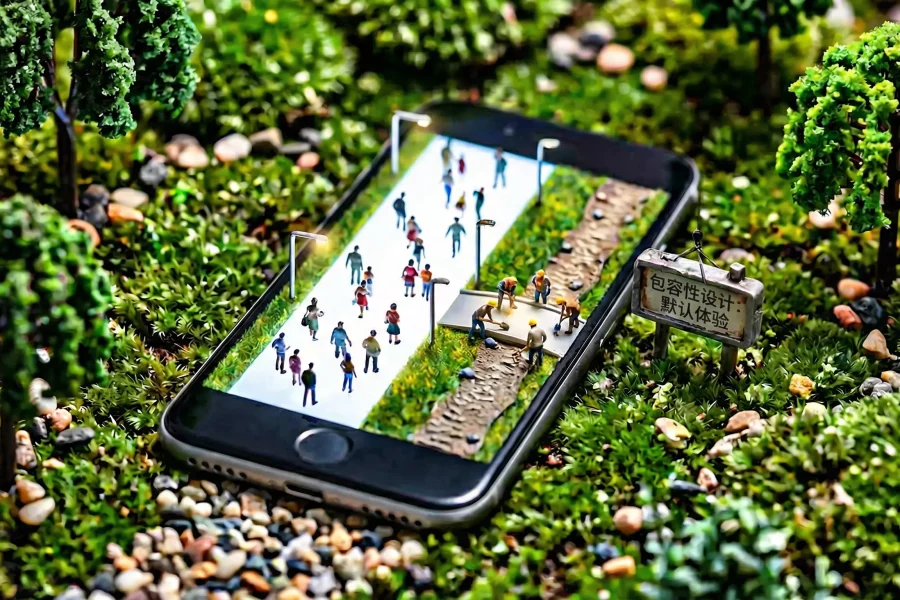
This is especially apparent in today’s UI/UX design environment. The spread of components, templates, and design systems has improved efficiency while continuously amplifying homogeneity. Many designers begin to mistake “keeping up with trends” for design itself. In reality, without independent judgment and structural ability, trends only make your work increasingly indistinct.
1. The Nature of Aesthetic Fatigue: The Problem Is Not Seeing Too Much, but Lacking Judgment
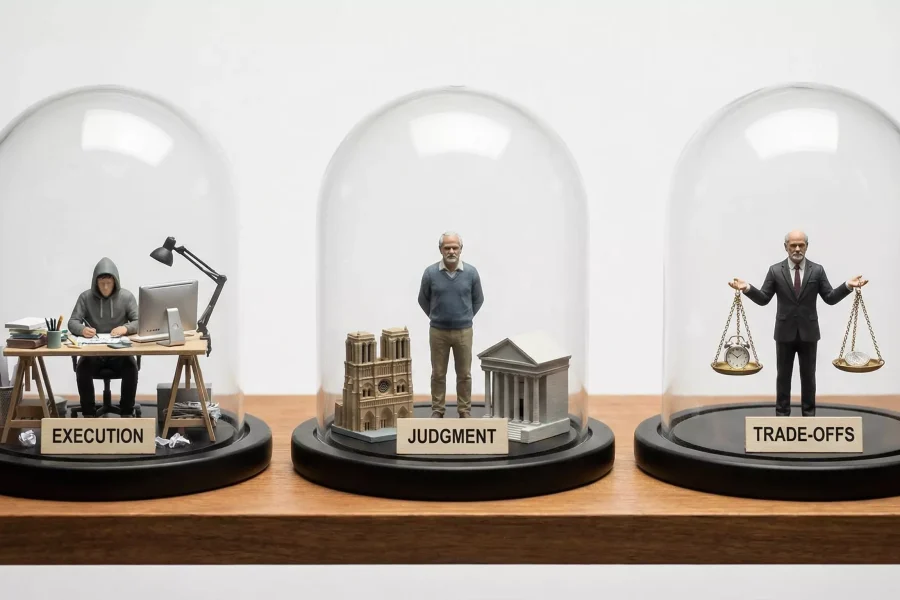
Aesthetic fatigue does not occur because you have seen too much. It occurs because you lack a filtering mechanism.
When you cannot determine what constitutes “good design,” you can only keep accepting external input.
Most of that input comes from the same source: popular trends.
The result is: 👉 You see more and more, but understand less and less.
In UI design, this appears in several ways:
-
Blindly applying popular styles such as Bento UI, minimalism, or glassmorphism
-
Creating designs that look “premium” but have no logic
-
Making pages consistent but lacking clear emphasis
The fundamental problem is not style. It is this: 👉 You have not established your own system of design judgment.
2. The Key to Preserving Your Style: Use Trends to Test Your Design Ability
Many people believe that maintaining a personal style means rejecting trends. This is a misconception.
A truly mature designer does not resist trends, but uses them to test their own abilities.
You can use popular colors, components, or layout patterns, but you must ensure that:
-
The information is genuinely organized through a grid
-
The hierarchy guides users’ attention effectively
-
The design follows the fundamental logic of user experience design
-
The design supports product and business objectives
In other words: 👉 Trends are only the “shell”; structure is the “core.”
In a professional UI design company or mature design team, style is never the highest priority.
What truly matters is whether the information structure is clear and the experience path is smooth.
3. Building Your Own Style: From Habits to Principles
One effective way to overcome aesthetic fatigue and develop your own design style is to: 👉 regularly organize your personal “aesthetic inventory.”
You can perform this review once every quarter:
-
Remove design habits you no longer agree with
-
Identify design approaches you repeatedly use because they work
-
Turn “feelings” into “principles”
For example:
-
Why do you prefer a particular layout?
-
Why does one type of hierarchy feel clearer?
-
Why does a particular motion pattern feel more natural?
When you can explain these questions, you are no longer “imitating design”; you are “constructing design.”
This step is critical because:
👉 Style is not something deliberately manufactured. It is the result of accumulated judgment over time.
Conclusion
In the constantly changing UI/UX design industry, aesthetic fatigue is almost unavoidable.
But truly excellent designers are not carried along by trends. They consistently rely on a stable system of design logic.
You can use any popular style, but your design must be built on:
-
A clear information structure
-
A distinct hierarchy
-
Stable design principles
When you can explain every design decision you make,
your style will emerge naturally.
And that style will not depend on trends or disappear easily.