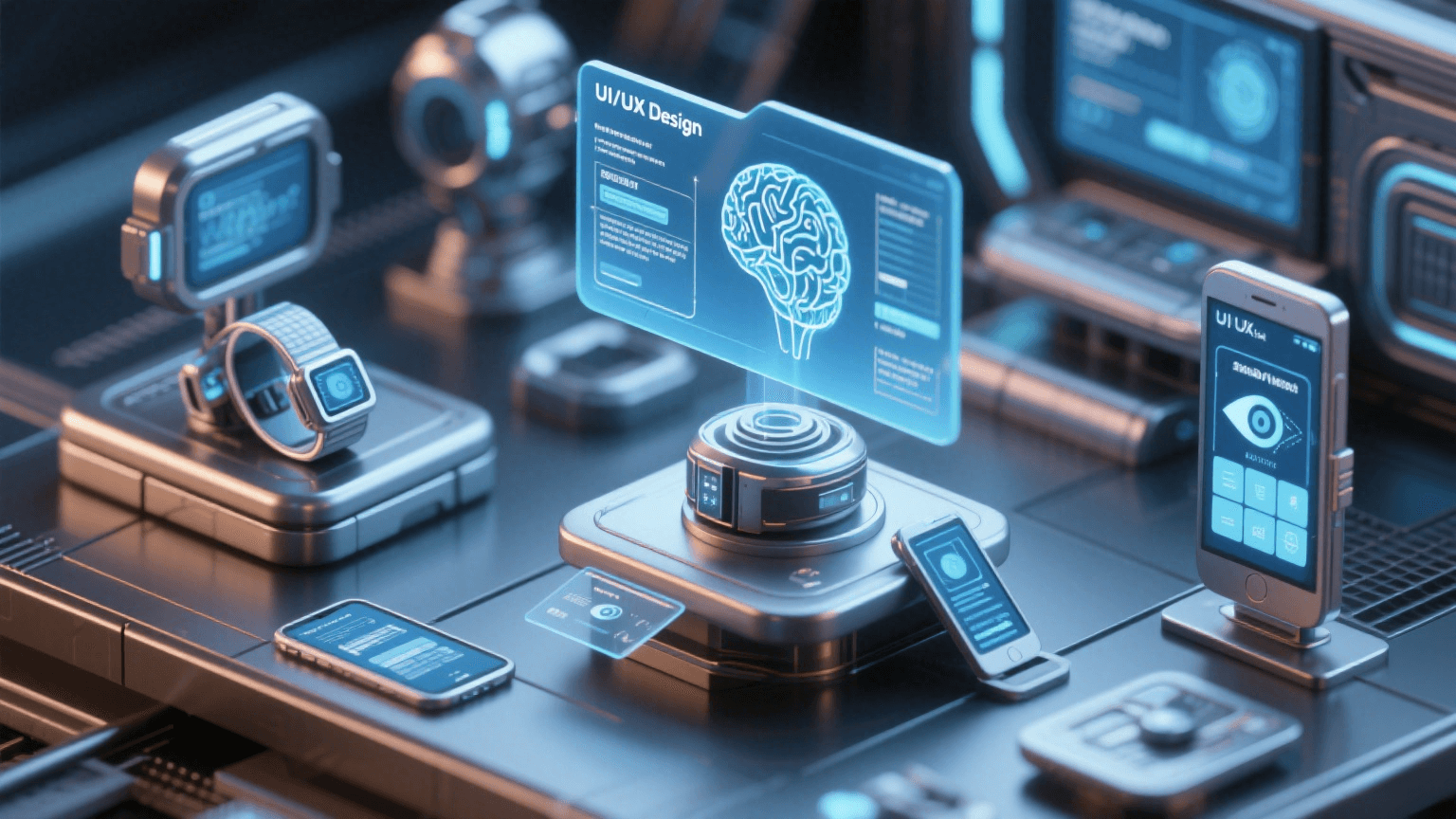
As digital transformation accelerates, the ways users interact with products are undergoing unprecedented change. UI/UX design is no longer limited to “making interfaces look better.” It has become a bridge connecting users, technology, and business value. Looking ahead, the future of UI/UX is not only about aesthetics, but also about integrating experience, emotion, and efficiency.
1. The Shift in Design Trends
In the past, interface design placed greater emphasis on visual presentation. Today, however, experience-first design has become the dominant principle. Excellent UI/UX is no longer simply about displaying information. It is about making users feel that every interaction with a product is smooth, natural, and enjoyable.
2. Core UI/UX Trends for 2025
(1) The Return of Skeuomorphism
After years of minimalist dominance, skeuomorphic design is returning in a new form. More refined material details, natural shadows, and subtle micro-interactions provide users with experiences that feel more realistic, tactile, and human.
(2) AI-Driven Personalized Experiences
With the support of artificial intelligence, products can anticipate user needs more intelligently through:
-
Personalized content recommendations
-
Automated interface layout optimization
-
Intelligent input assistance and suggestions
AI transforms interface design from a system of “static rules” into one of “dynamic interaction,” allowing every user to receive a unique experience.
(3) Greater Attention to Micro-Interactions
From subtle button animations to smooth loading sequences, micro-interactions have become a standard feature of excellent user experiences. They not only make interfaces feel more refined, but also communicate a brand’s professionalism at a subconscious level.
(4) Responsive Design and Cross-Platform Integration
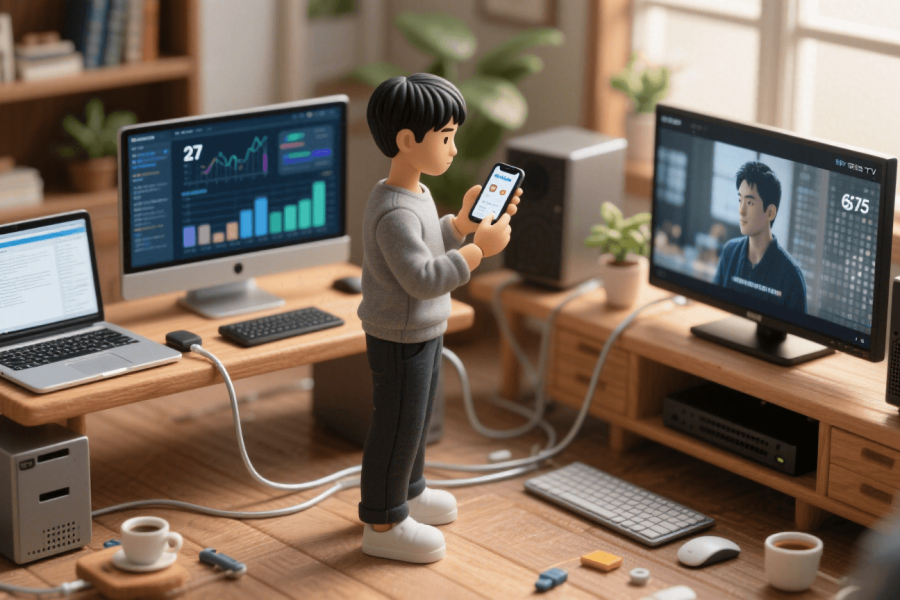
A seamless experience across multiple platforms is one of the major trends shaping the future. Whether users are on mobile devices, websites, or desktop applications, they expect consistent interface design that adapts appropriately to different usage scenarios.
Responsive design has already become a basic requirement. The next competitive frontier is a consistent experience across every platform.
(5) The Rise of Immersive Experiences
As AR, VR, and MR technologies advance, immersive interaction is expanding the boundaries of user experience. From virtual showrooms to interactive games, future UI/UX will involve more than visual presentation—it will integrate multiple sensory experiences.
3. From Interfaces to Experiences: The Evolving Role of Designers
In the future, designers will evolve from interface designers into experience architects:
-
Greater technical understanding: They will collaborate efficiently with frontend development, AI, and data analytics teams.
-
Deeper user understanding: They will develop stronger insight into user behavior, psychology, and emotions.
-
Stronger business understanding: They will closely align design strategies with business objectives to achieve growth through design.
4. 58UI’s Perspective
At 58UI Design Studio, we believe the future of UI/UX design will be defined by integration and intelligence. We focus on combining aesthetics with logic, and emotion with efficiency, to create truly effective digital experiences for brands.
The future of design is not merely an interface, but a dynamic relationship between users and products.
Conclusion
The future of UI/UX design lies in moving from “interfaces” to “experiences” and from “visual presentation” to “value creation.” Only through continuous exploration and innovation can design truly become a force that drives business growth.