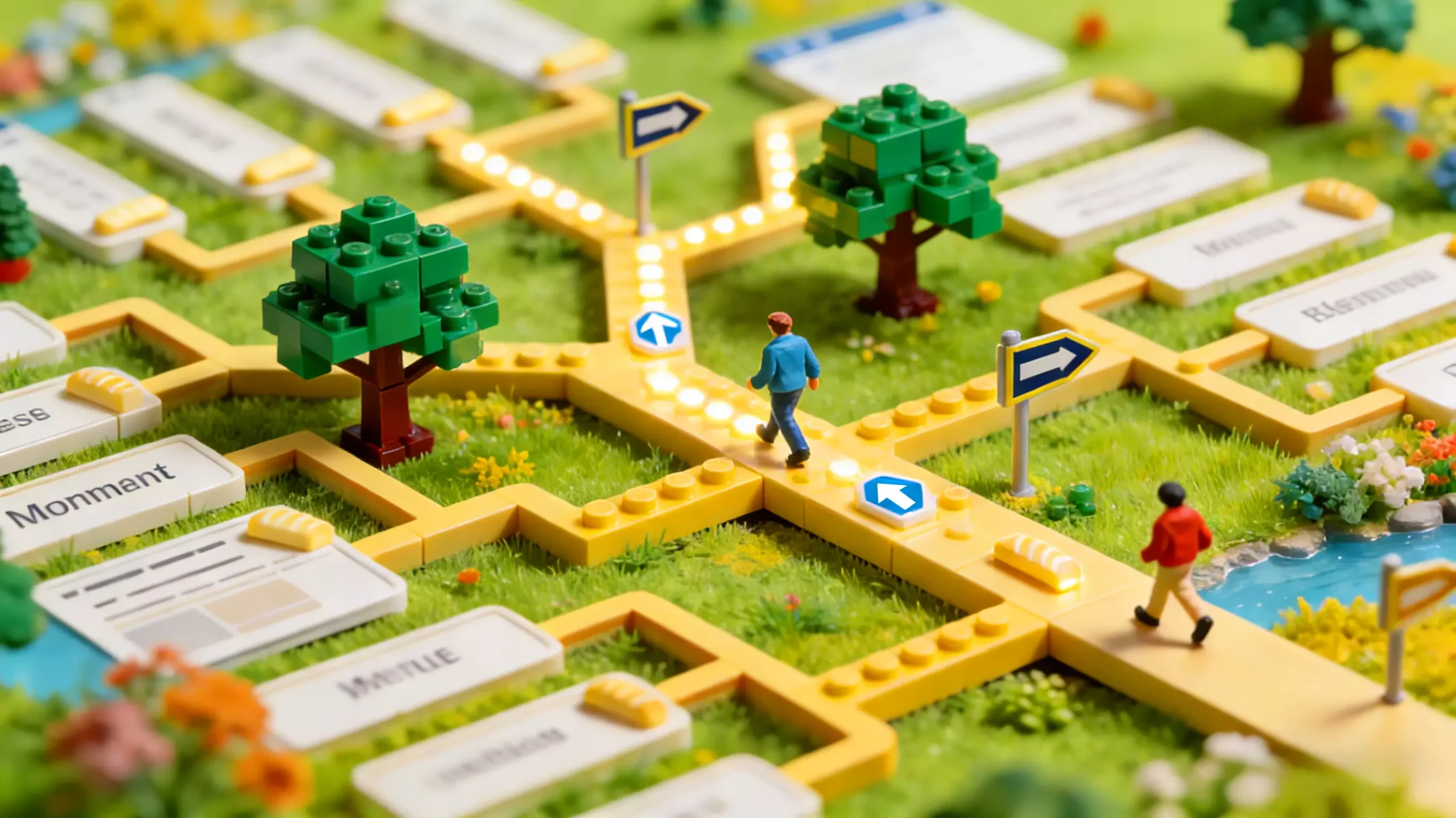
Summary
Whenever users decide whether to click a page, continue scrolling, or leave a website, they are essentially weighing the following question: “How much valuable information can I gain here, and how much time and effort will it cost me?” This decision-making process can be explained by a classic user-experience concept: Information Foraging Theory. Drawing on research from the Nielsen Norman Group, this article introduces the theory’s core concepts and examines their practical implications for web design and information architecture.
The Origins of Information Foraging Theory: Inspiration from Animal Behavior
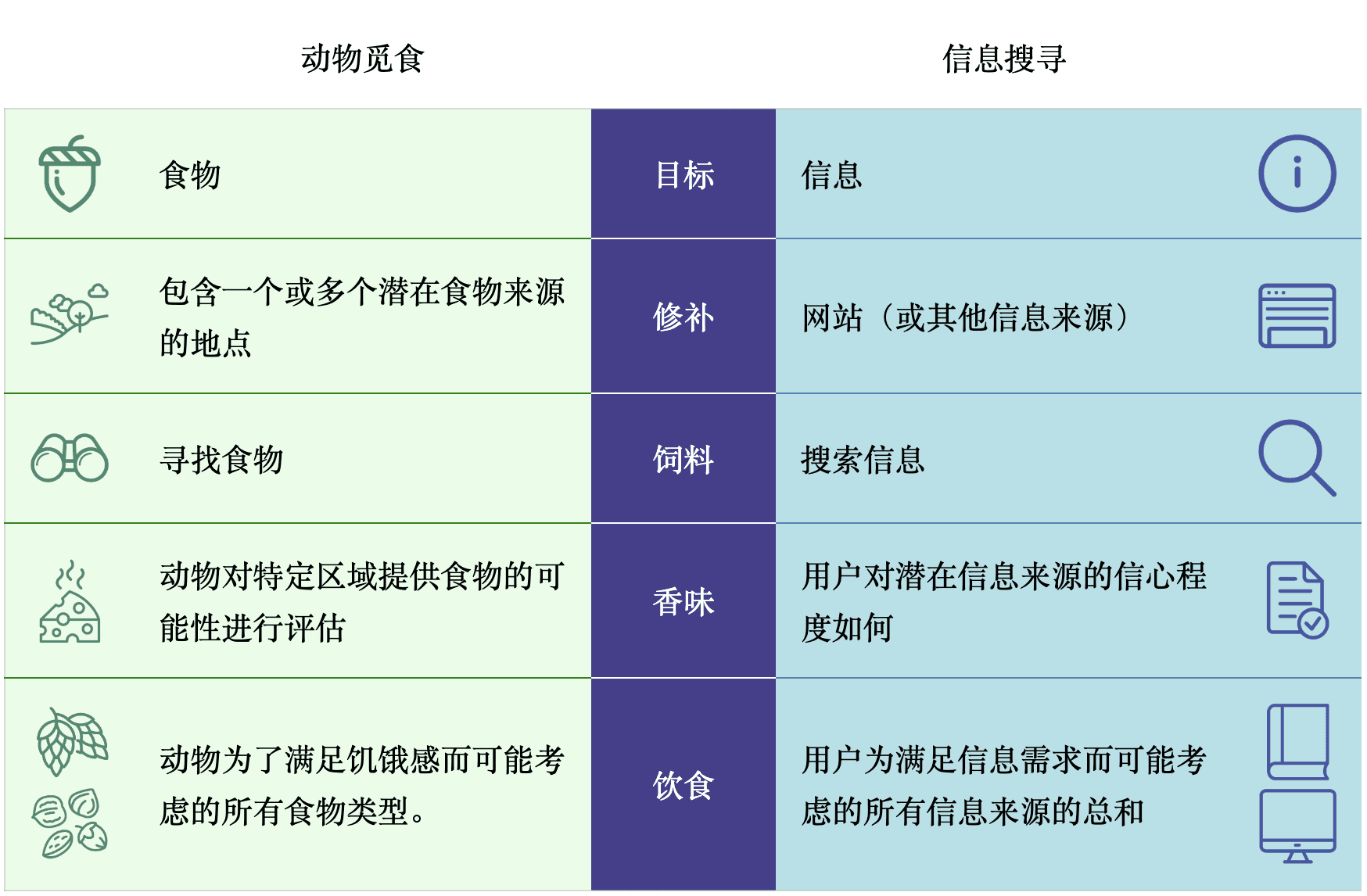
Information Foraging Theory was first proposed by Peter Pirolli and Stuart Card in the 1990s and was inspired by theories of animal foraging behavior.
In nature, animals continually evaluate the following in order to survive:
-
Which area is most likely to contain food
-
How much energy is required to obtain that food
-
Whether it is worth remaining in the area or moving elsewhere
Human behavior when searching for information online is highly similar, except that:
What Is Information Foraging Theory?
Information Foraging Theory proposes that:
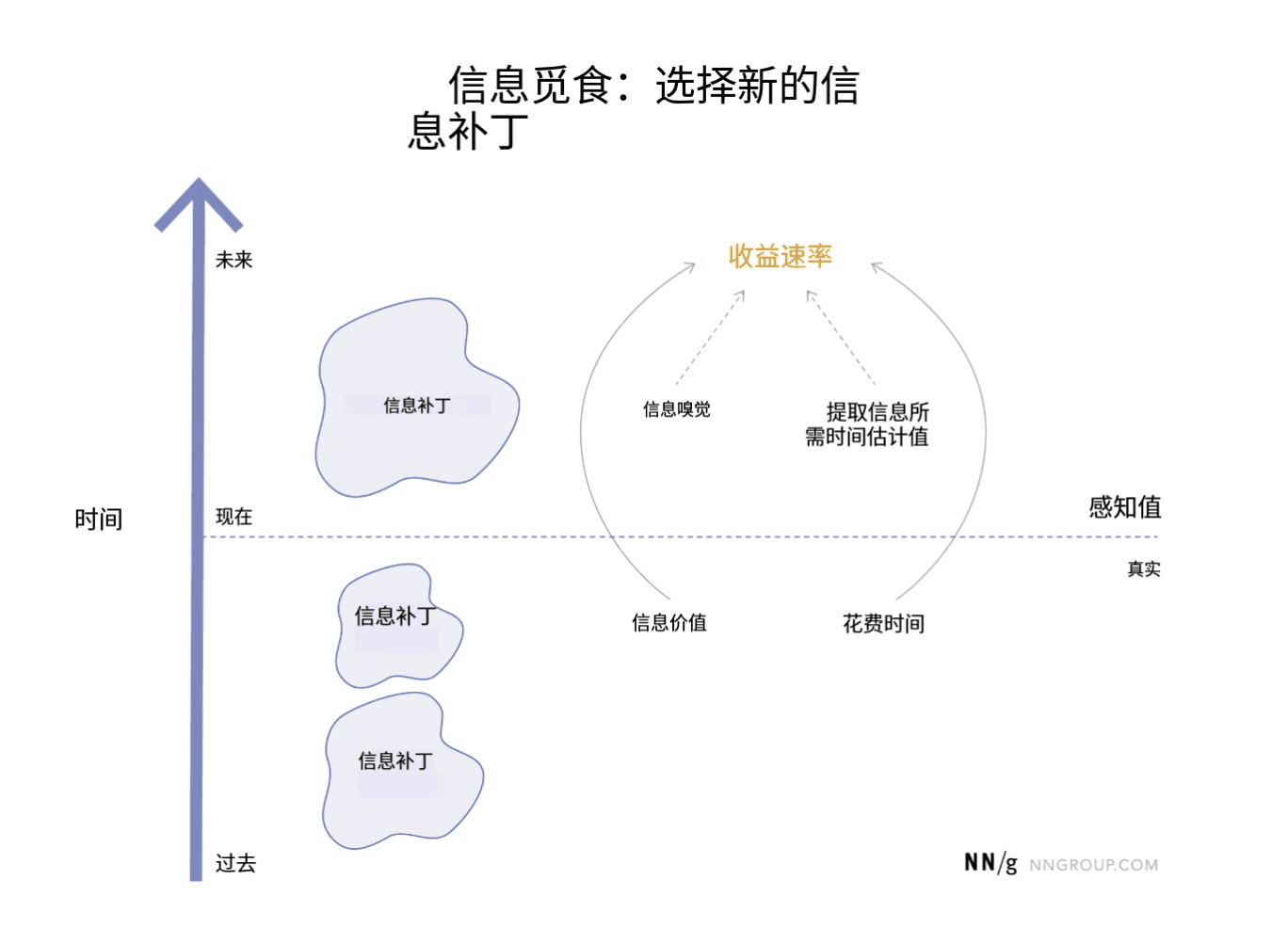
when browsing the web, users choose the path with the highest “information gain ÷ acquisition cost.”
This can be simplified into a formula:
Information-acquisition efficiency = information value ÷ cost of obtaining the information
In other words, users are asking:
-
How likely does this page appear to solve my problem?
-
If I click or continue reading, how much time and effort will it require?
If the perceived return is too low, users leave.
Why Do Users Not Keep Scrolling or Click Every Link?
A common design misconception assumes that users “should look a little longer.”
In reality:
-
Users do not scroll without a purpose
-
They do not read every word
-
They do not click every link
The reason is simple:
continued interaction does not produce a linear increase in information value.
When users believe that:
-
Scrolling farther may not reveal anything new
-
Or the cost of finding information is beginning to rise
They stop, go back, or move elsewhere.
Information Scent: How Do Users Predict the Value of Content?
Before clicking, users do not know what a page actually contains.
They can only rely on information scent to make a judgment.
Where Does Information Scent Come From?
-
Page titles
-
Link text
-
Images and keywords visible on the screen
-
Lists and heading structure
For example:
-
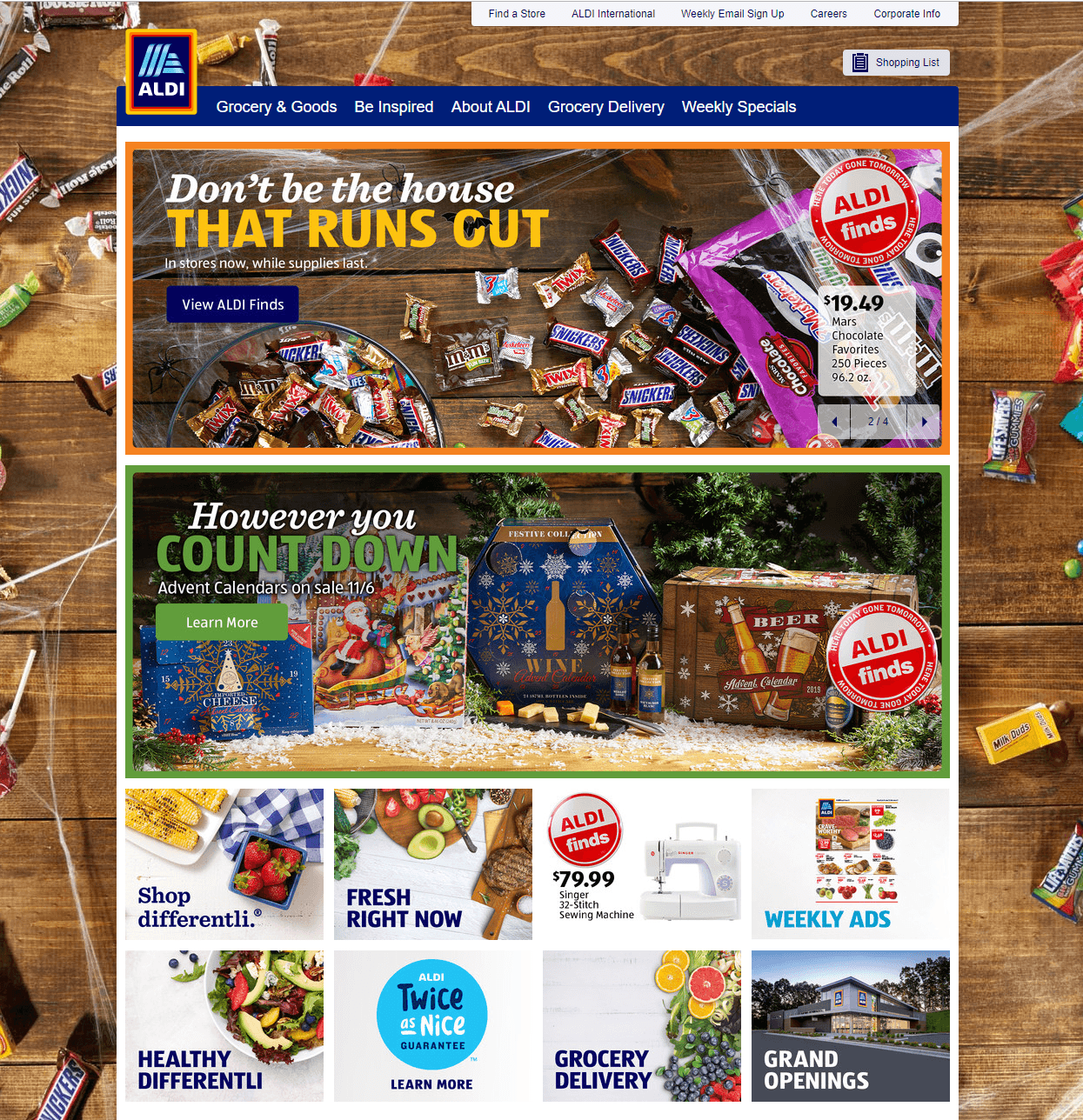
If a user is looking for a kitchen cloth but sees a screen filled with candy, beer, and strawberries
→ The information scent does not match -
If the user sees words and images such as “kitchen textiles,” “aprons,” and “dishcloths”
→ The information scent is strong
Information scent is not absolute; it is highly dependent on the user’s goal.

The Cost of Obtaining Information: More Than Time
In information foraging, costs generally fall into two categories:
1. Time and Interaction Costs
-
Scrolling
-
Clicking
-
Reading
-
Understanding complex structures
2. Opportunity Cost
When a user chooses to view one page, that decision means giving up the opportunity to view other pages.
Users therefore tend to:
-
Scan quickly
-
Extract key information
-
Avoid unnecessary detail
This is why long, disorganized pages are abandoned so easily.
Between-Patch and Within-Patch Behavior
Information foraging includes two behavioral stages:
Between-Patch: Moving Between Pages
-
Searching
-
Comparing search results
-
Deciding which link to open
Within-Patch: Exploring a Page
-
Scanning headings
-
Looking for keywords
-
Determining whether useful content is present
Strong design should reduce the cost of both stages.
Users’ Foraging Enrichments
To improve efficiency, users develop various strategies, including:
-
F-shaped reading patterns
-
Opening multiple tabs, also known as page parking
-
Ignoring advertisements and sidebars, known as banner blindness
-
Using in-page search with Cmd/Ctrl + F
These are all adaptive behaviors developed by users to reduce cost.
A Good User Experience Should Make These Strategies Unnecessary
The problem is that:
-
These strategies are not always reliable
-
They also increase cognitive load
Excellent user-experience design should itself:
-
Communicate the page’s value clearly
-
Provide explicit information cues
-
Reduce unnecessary actions
In other words:
The page should adapt to users rather than forcing users to invent ways to adapt to the page.
Implications for Search Engines and Page Structure
This is also why:
-
Search engines optimize rankings
-
Pages use clear headings, lists, and bold keywords
-
Information architecture is organized around core tasks
However, remember:
👉 You cannot optimize simultaneously for every user and every goal.
The right approach is to:
-
Define the page’s core task
-
Prioritize the most important user goal
-
Allow other audiences to filter themselves naturally
Conclusion: Users Are Always Calculating the Trade-Off
As users move through a website, they are continuously and unconsciously calculating:
-
Is this step worth taking?
-
Should I continue?
Information Foraging Theory tells us:
-
Users seek maximum information gain with minimum time cost
-
The essence of design is helping users decide more quickly that continuing is worthwhile
If your page achieves this, users will naturally remain.