2026 Web Design Trends (and Everything in Between)
After more than a decade of observing, curating, and writing about web design, we have learned one thing:
Do not believe anyone who tells you they know what next year’s trends will be.
Your guess is probably almost as good as ours.
Most trend reports simply repackage elements that were already popular last year and present them as something new. Design does not develop in a straight line. It mutates, reacts, rebels, and occasionally contradicts itself.
Still, if we have to predict how 2026 will look and feel, this is where our creative intuition points.
58UI Design Studio — Great Design Supports Great Products
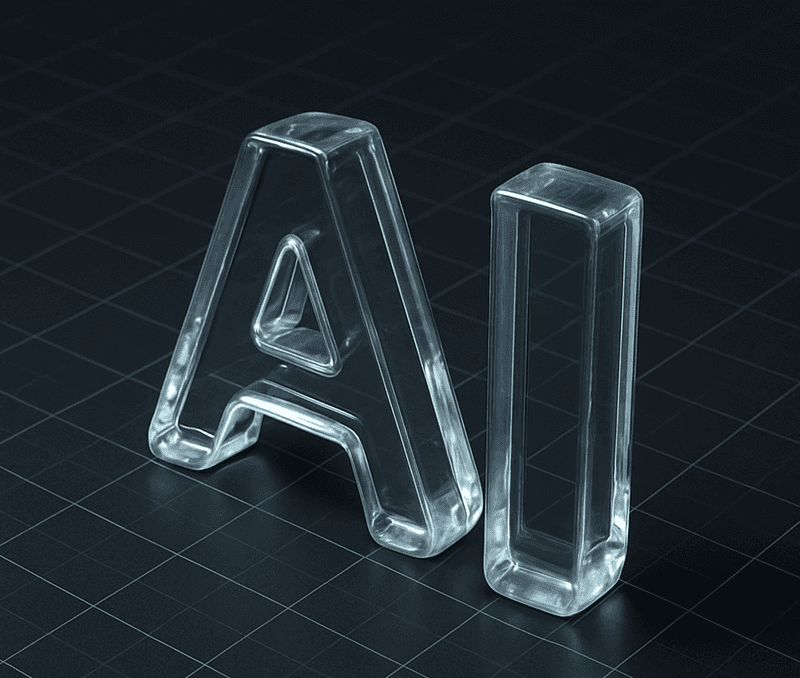
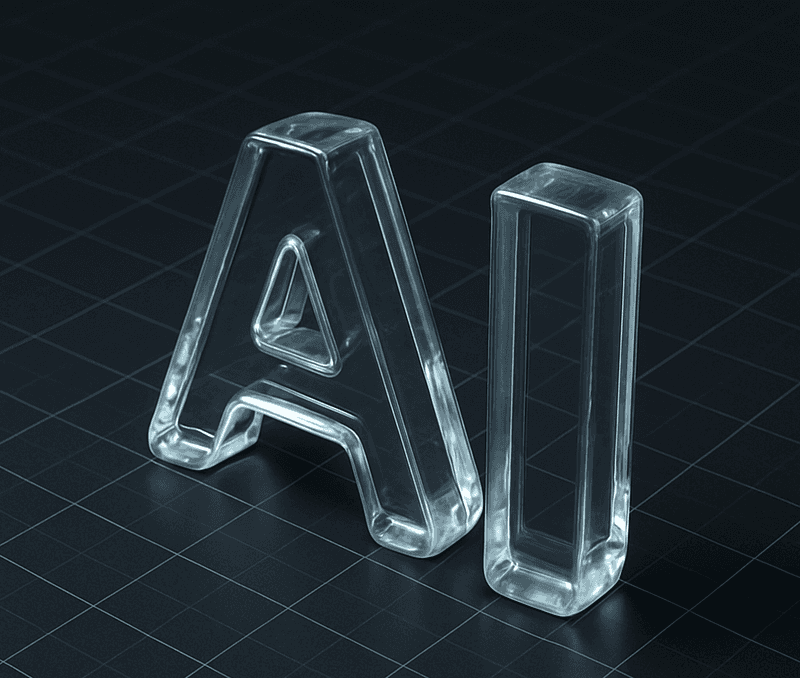
1. AI Takes Over the Canvas
AI is no longer merely an assistant. It has become central to the way we design and build.
What began with text prompts and image generators is now part of production across visual assets, motion, layouts, and code. Designers can integrate AI-generated illustrations, video, 3D models, and ready-to-use components directly into real projects.
The greatest change is not visual; it is procedural. We are no longer working for tools, but working with them.
The workflow feels more like collaboration than automation. AI proposes, refines, fills gaps, and accelerates execution.
Work that once required hours can now be tested within minutes. Ideas develop faster, iterations multiply, and creative boundaries begin to blur.
This does not mean design has become automatic. It means intuition and direction matter more, because anyone can generate output, but not everyone can create meaning.
AI is not replacing designers. It is redefining design work.
2. The Return of Retro and Brutalism
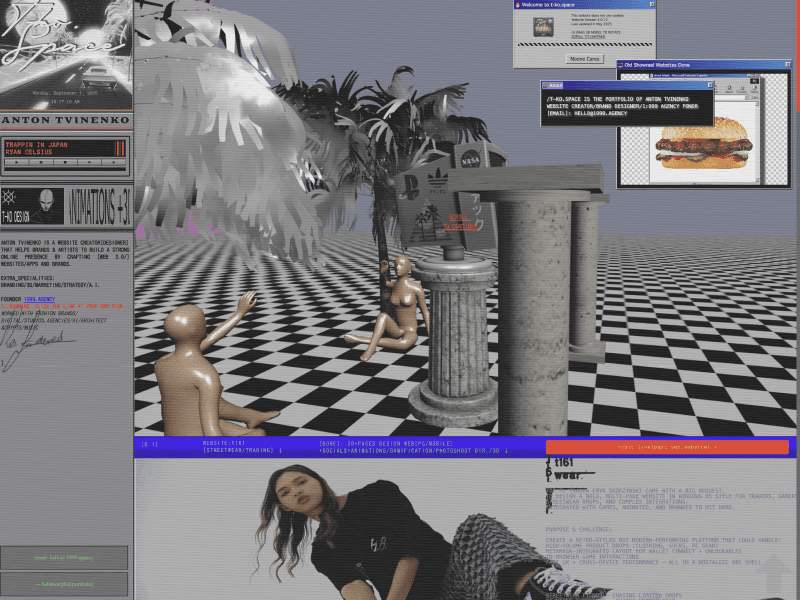
When everything begins to look polished, elegant, and perfectly generated by AI, designers naturally turn in another direction. Retro is returning, and brutalism never truly disappeared. It is louder, bolder, and more unapologetic—the human trace left in a machine-generated world.
Expect more asymmetry, visible grids, bold type, rough textures, and websites that almost dare you to call them ugly. That is precisely what makes them beautiful.
3. Responsive 3D That Feels Alive
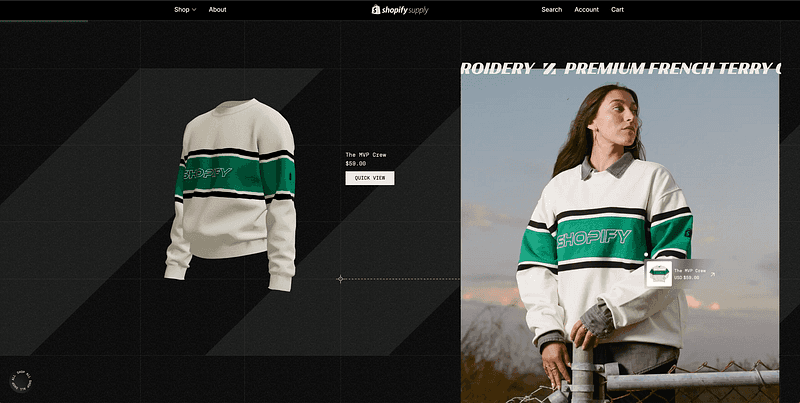
Three-dimensional design on the web was once decorative; now it has become a conversation. Lightweight frameworks such as Spline
and React Three Fiber make it easier to build 3D environments that move, tilt, and respond to users. We are no longer talking about rotating logos, but about experiences that draw people in.
Used well, responsive 3D adds emotion, not merely movement.
4. WebGL for Everyone
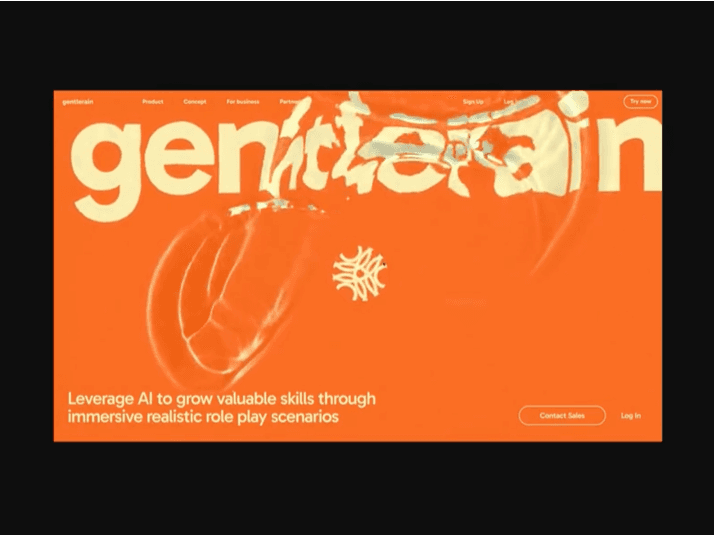
WebGL once belonged only to developers who drank too much coffee and studied too much mathematics. Now it belongs to everyone. Tools such as Unicorn Studio and no-code WebGL builders turn complex shader effects into drag-and-drop elements. Liquid distortion, glowing particles, and magnetic cursor trails can be created with only a few clicks.
High-end motion graphics once required custom code. By 2026, they may simply require good taste.
5. Micro-Animations Grow Up: Details Determine Success
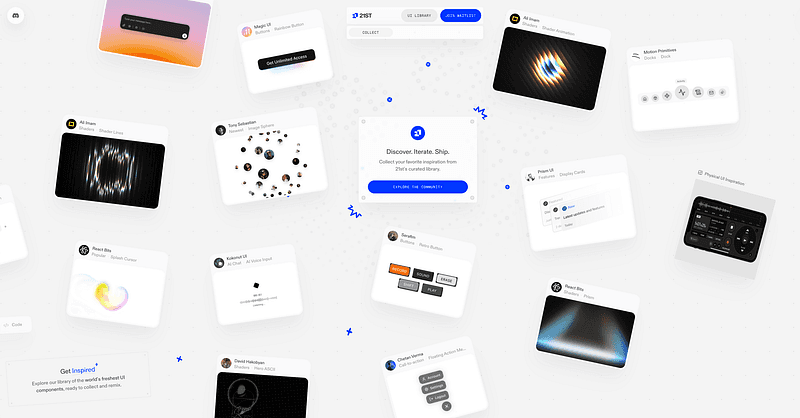
Micro-animations are not new, but in 2026 they become both larger and smaller, depending on how you look at them. We call this “micro-delight”: a subtle bounce in a button, a tactile switch, or a form field that responds gently to input.
The real shift is accessibility. Libraries such as React Bits Animations and 21st.dev make it easy for almost anyone to add purposeful motion.
These details are no longer decorative extras. They are what separate a merely functional website from one people remember.
6. Typography That Breathes and Moves
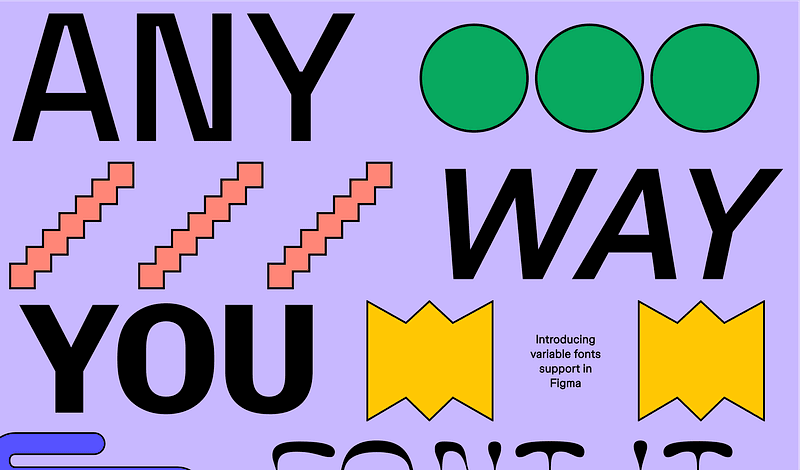
Typography is no longer fixed. Variable fonts, animated text, and responsive dynamic type are taking over landing pages and product pages.
Type can now change weight, stretch, and respond to scrolling or sound.
This is not a gimmick; it is a feeling. The words themselves become part of the interface rather than content simply placed on top of it.
7. The Sound of Design
Sound is quietly becoming the next sensory dimension of digital design.
Interfaces are beginning to speak, hum, and respond. A soft click, a subtle whoosh, or a short tone can improve clarity, feedback, and emotion faster than many animations.
As brands search for new ways to stand out on a visually crowded web, sound becomes a recognizable part of identity. From micro-audio cues in buttons and notifications to ambient loops that respond to user actions, the web is learning to make sound as carefully as it makes visuals.
AI has made sound design easier than ever. Tools can now generate short effects, background ambience, and responsive soundscapes in seconds, making audio an accessible part of the creative process.
Used properly, sound does not merely decorate an interface; it completes it.
8. The Human Layer
The next evolution of web design is not primarily visual; it is human.
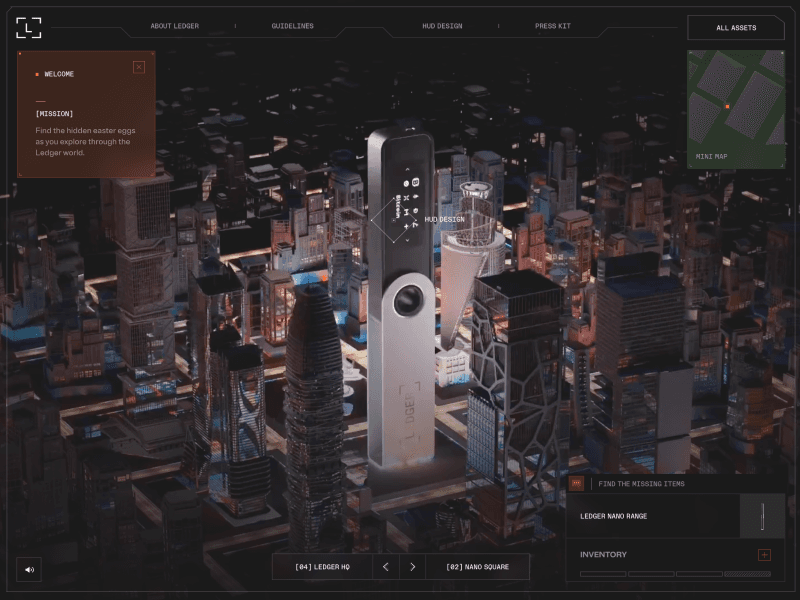
For years, we have designed for screens, mice, and keyboards. In 2026, interaction extends beyond them. Websites begin to listen, observe, and respond—not as a flashy trick, but as part of a gradual and natural movement toward more human interfaces.
Voice, gesture, facial expression, and even emotional tone can influence the way an interface reacts. AI can increasingly translate presence, sound, and movement into a design language in real time.
The human layer is not a short-lived trend. It is a direction—a quiet evolution that will unfold as the tools mature and people become comfortable with new forms of interaction. It blurs the line between the body and the browser, turning digital experience into something instinctive rather than mechanical.
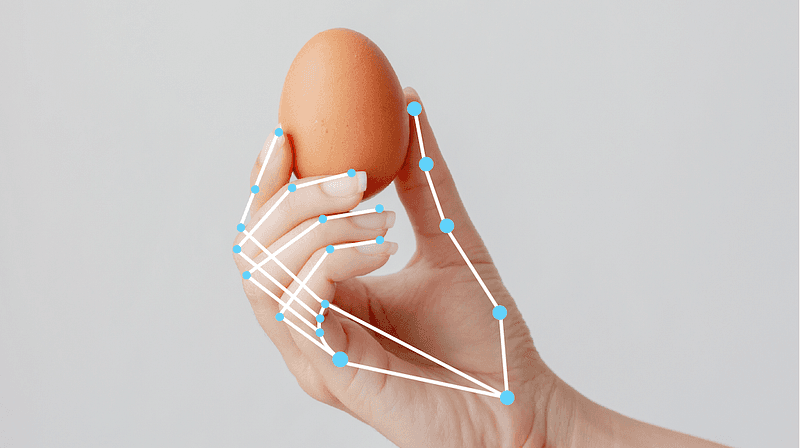
https://mediapipe-studio.webapps.google.com/demo/hand_landmarker
9. Goodbye Beige, Hello Bold Color
After years of dark mode, muted tones, and minimalist restraint, color appears ready to return.
We are not seeing it everywhere yet, but it feels inevitable—a natural response to so many years of subdued neutrals.
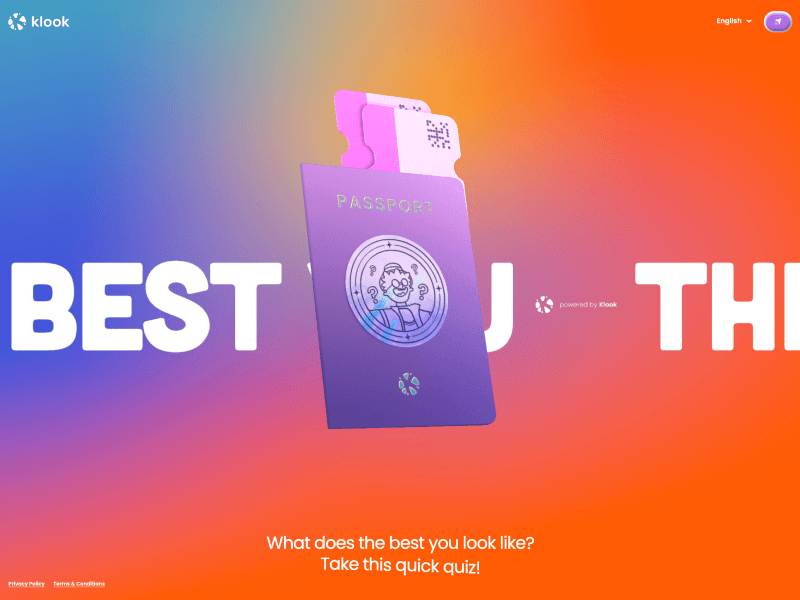
We would not be surprised if 2026 brings bolder gradients, more expressive hues, and stronger saturation than recent years.
Perhaps designers are finally ready to turn the volume back up.
10. From UX to MX: Machine Experience
This may not sound like a design trend, and perhaps it is not one at all, but something real is quietly forming beneath the surface.
As AI search and generative agents begin to replace traditional browsing, a new reality is emerging.
Websites are no longer built only for people. They are also built for the machines that read, interpret, and summarize them.
For years, we have designed for user experience (UX).
Now we are entering the era of machine experience (MX).
MX concerns the way meaning, structure, and hierarchy are translated for AI systems.
Design decisions influence not only what humans see, but also what machines understand and repeat.
Some people already describe this shift as the beginning of the Parallel Web: a version of the internet constructed for intelligent agents rather than human eyes.
It is not a designed trend or a visual aesthetic, but a structural transformation
that may redefine web design in the years ahead.
A Prediction
I do not know whether these feelings or predictions will prove correct, even in part. As I said at the beginning, your guess may be just as unreliable as mine.
But I am certain of one thing: the coming year will be fascinating.
We will continue watching, exploring, and sharing ideas that may inspire you.
So keep following 58UI Design Studio for more insight into the leading edge of design. The story of design never ends.