E-Commerce Websites vs. Brand Websites: A Complete Analysis of Their Core Design Differences
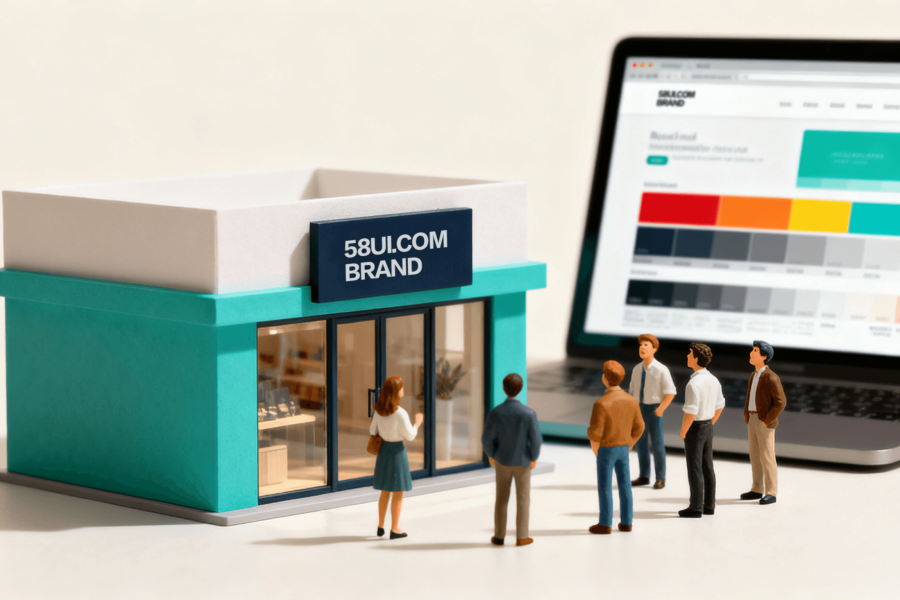
In a highly competitive digital environment, an official website is the primary window into a company’s brand and products. It is not only where users learn about the brand, but also a critical factor influencing conversion rates and brand recall. E-commerce websites and brand websites differ fundamentally in strategy and objectives: the former pursues rapid transactions, while the latter seeks emotional resonance. 58UI examines the key differences between these two website types across core objectives, homepage design, navigation structure, product presentation, animation, and interaction, while providing practical recommendations.
1. Differences in Core Objectives
|
Website Type |
Primary Design Objective |
|---|---|
|
E-commerce website |
Drive rapid transactions, shorten the shopping or ordering journey, and emphasize purchase, promotional, and urgency-based elements |
|
Brand website |
Shape brand character and image through storytelling, visual aesthetics, and emotional connection rather than direct sales pressure |
2. Homepage Layout and Content Priorities
-
E-commerce website: The first screen usually features best-selling products, promotions or countdowns, and prominent “Buy Now” buttons that move users quickly into the purchasing process.
-
Brand website: The first screen more often uses cinematic brand imagery, video, or a values-based statement with prompts such as “Explore More” or “Discover the Brand.” The goal is to build trust and curiosity.
3. Navigation Structure and User Journeys
-
E-commerce website: Product categories are clearly organized—for example, men’s clothing, women’s clothing, shoes, and bags—and search is highly visible because users want to locate products quickly.
-
Brand website: Navigation follows a storytelling or brand-strategy structure, such as Brand Story, Products, Design Philosophy, and Sustainability. Search is less prominent, while narrative and visual experience receive greater attention.
4. Product Display and Content Presentation
-
E-commerce website: Prices and promotional information appear prominently, supported by product photography from multiple angles, SKU selectors, and highlighted “Add to Cart” or “Buy Now” buttons.
-
Brand website: Presentation focuses on full-width contextual imagery and explanations of design philosophy. Prices may be less prominent or placed in a secondary position because the priority is communicating product value and brand principles.
5. Animation and Interaction Styles
-
E-commerce website: Animation is generally practical and functional, such as cart animations, low-stock alerts, and hover effects that improve operational feedback.
-
Brand website: Animation is more emotional, including gradually appearing text, fading imagery, and subtle interactions that reveal brand symbols, enhancing sensory experience and artistic expression.
Practical Recommendations: How to Choose and Balance the Right Approach for Your Business
-
Clarify your primary objective
Do you want to increase sales conversions, or do you primarily want to strengthen brand image and audience identification? Define the strategy before beginning the design.
-
Consider a hybrid design approach
Many brand websites can incorporate e-commerce elements. Promotional buttons and clearer purchase options can appear on selected pages, while the homepage and brand-focused sections continue to emphasize emotion and storytelling.
-
Maintain consistency in visuals and experience
Regardless of the website type, keep the logo, color palette, typography, layout, and imagery consistent so the user’s impression remains coherent and trustworthy.
-
Balance animation with performance
Emotional animation can be compelling, but slow loading or excessive effects weaken the experience. Use image compression, asynchronous loading, and delayed animation carefully.
-
Content and narrative are essential
Well-written brand content, values, user-experience reports, and team stories help brand websites reduce distance, strengthen trust, and build meaningful relationships with users.
Conclusion
Whether you need a high-converting e-commerce website or a brand showcase that moves people emotionally, the key is understanding the nature of your business and the expectations of your users. E-commerce websites emphasize efficiency and transactions, while brand websites emphasize emotion and trust. Design is not a template; it is a response to objectives, brand identity, and user needs.
At 58UI Design Studio, we create tailored design solutions for different types of websites. Whether your priority is rapid conversion or emotional branding, we combine UI/UX and brand-visual strategies to deliver an experience that is both attractive and effective. If you are considering building or redesigning a website, contact us and we will identify the design direction best suited to your business.