Combining glassmorphic visuals with voice user interfaces (VUI) can create a modern, immersive, and user-friendly website experience that blends visual elegance with intuitive voice navigation. When used thoughtfully, this combination can improve both appearance and usability, making a website feel futuristic while allowing users to interact with it naturally.
What Is Glassmorphism?
The design world never stands still. A trend that is popular today may be outdated tomorrow.
Early interface-design concepts often imitated elements from the physical world, making a screen feel like scratched metal or crumpled paper. This approach became known as Skeuomorphic Design.
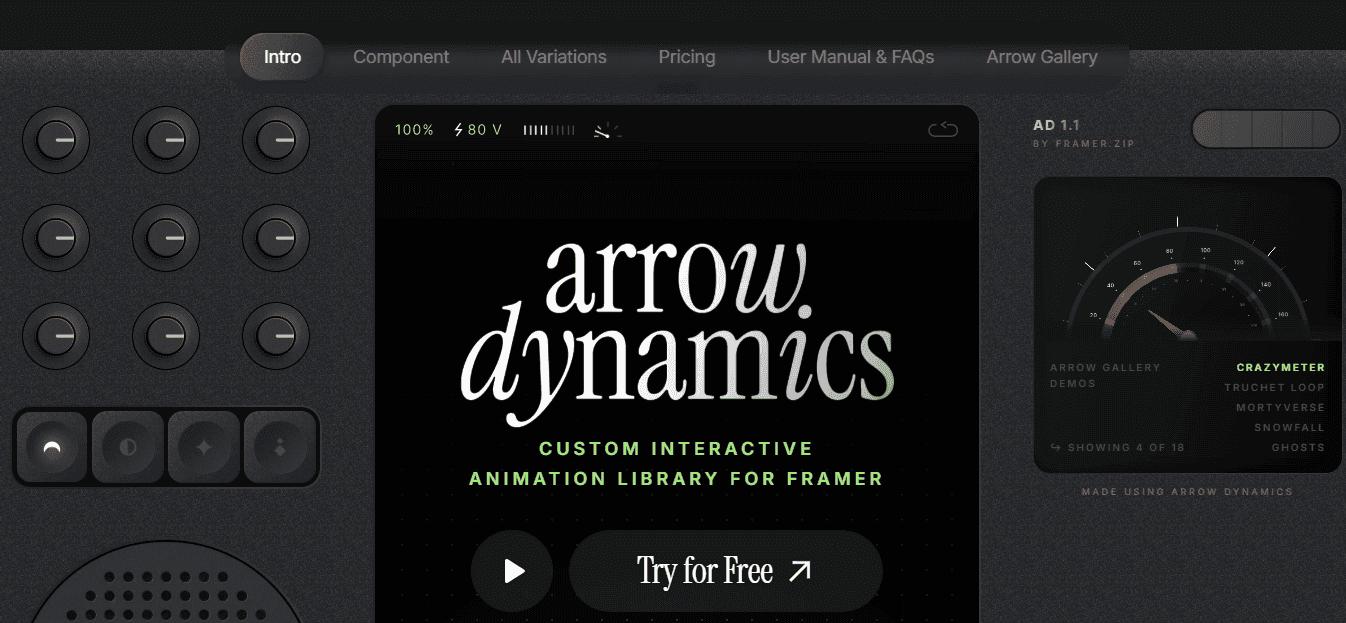
Later, minimalism and flat interfaces transformed the design world through simple elements. This style became known as Flat Design.
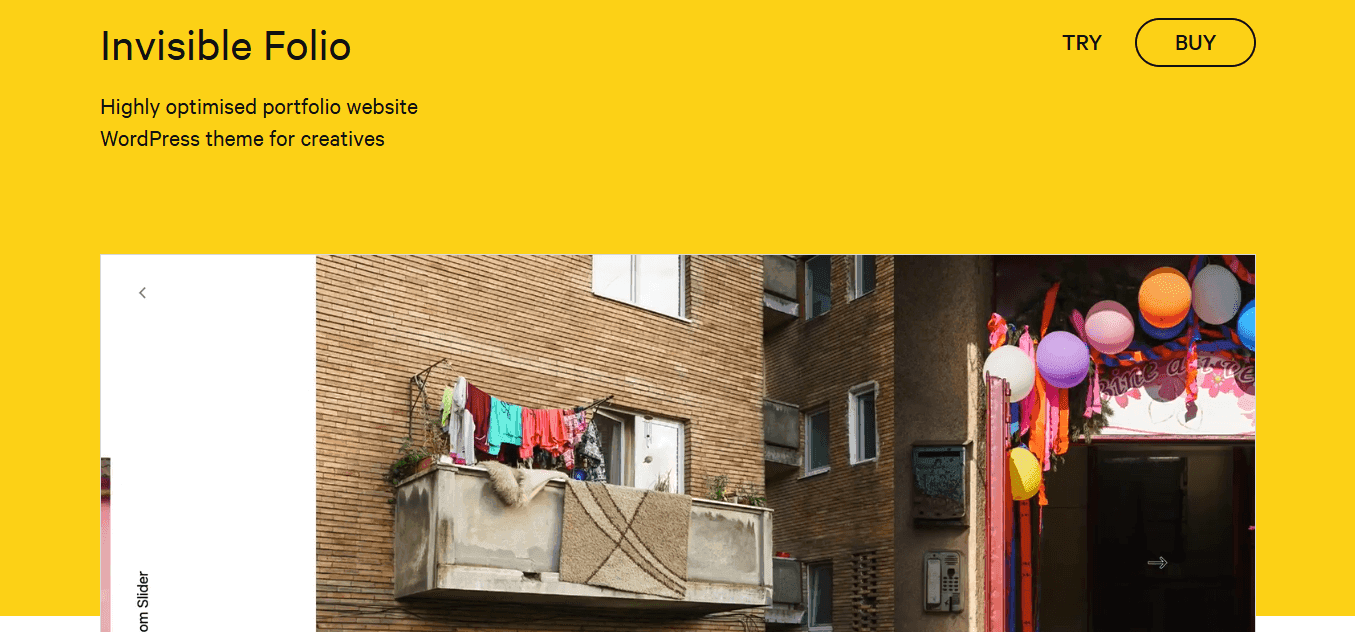
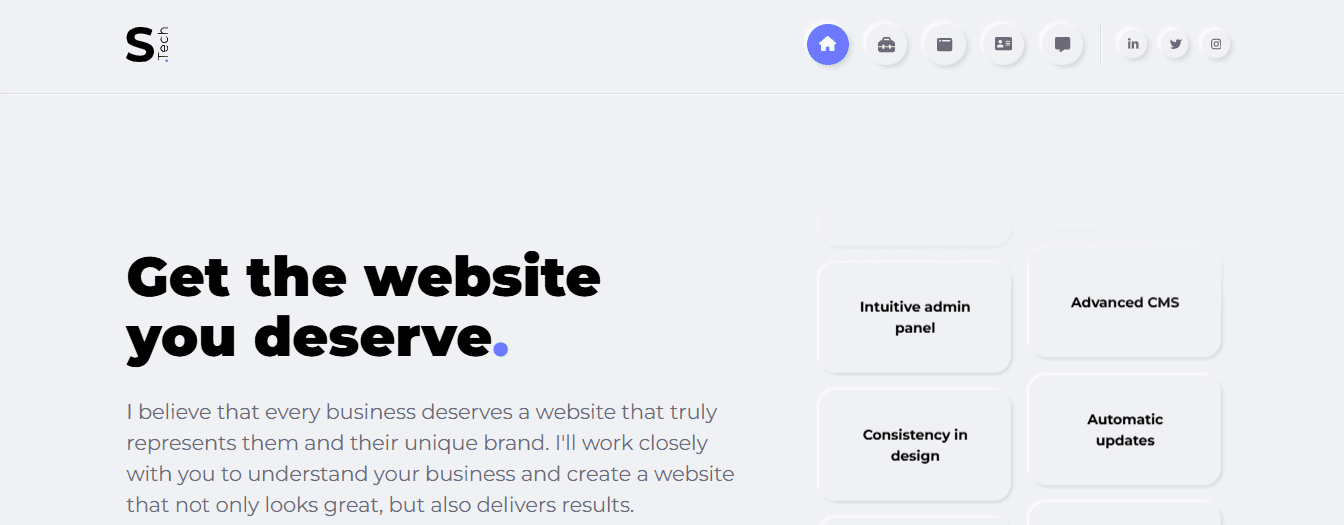
Designers then began adding shadows and gradients to flat elements, creating a style that became known as Neumorphism.
In other words, no single approach rules the design world forever.
Over roughly the past decade, however, designers have been fascinated by Glassmorphism.
What exactly is glassmorphism?
Glassmorphism is a design principle that imitates the appearance of glass within digital-product interfaces. It uses translucent surfaces, soft shadows, vivid colors, and background blur to create a modern, premium visual aesthetic.
What Are the Main Characteristics of Glassmorphism?
-
The interface has a glass-like appearance.
-
It uses translucent elements.
-
Glassmorphic compositions have a layered structure.
-
They can resemble liquid or frosted glass, adding visual depth.
-
Background blur partially obscures what sits behind the interface and creates a misted texture.
-
UI components appear to float above the background, often with linear gradients.
-
Glassmorphism uses a minimalist approach.
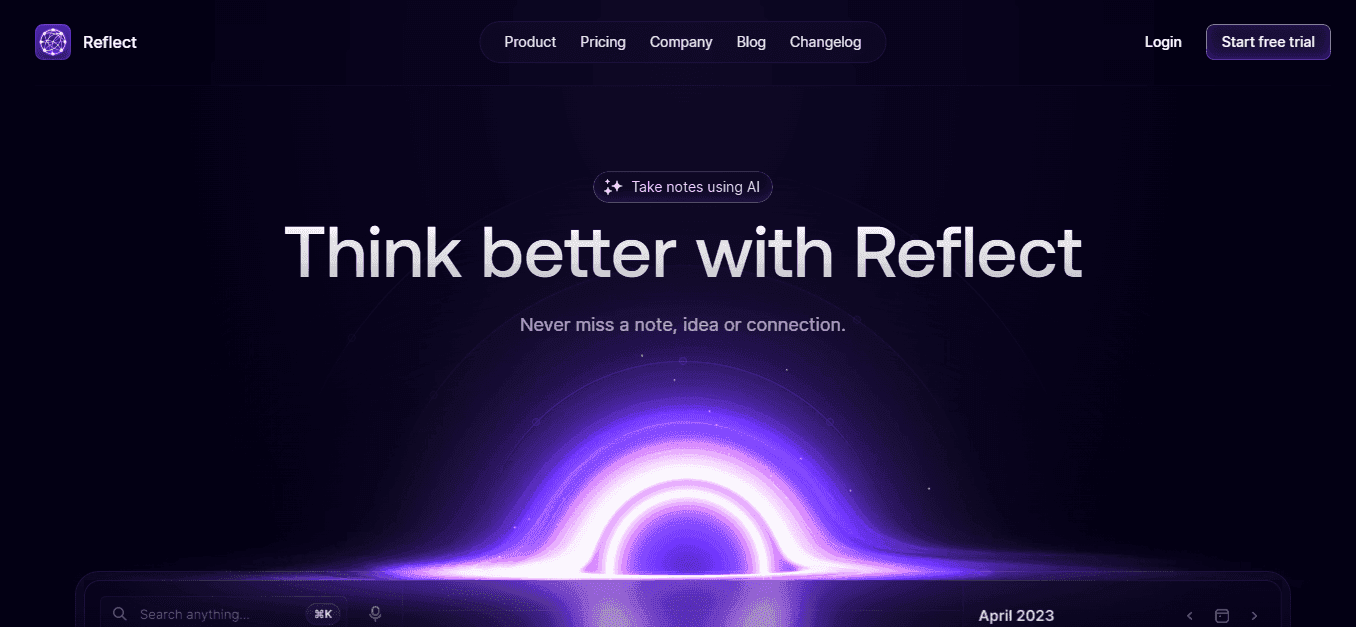
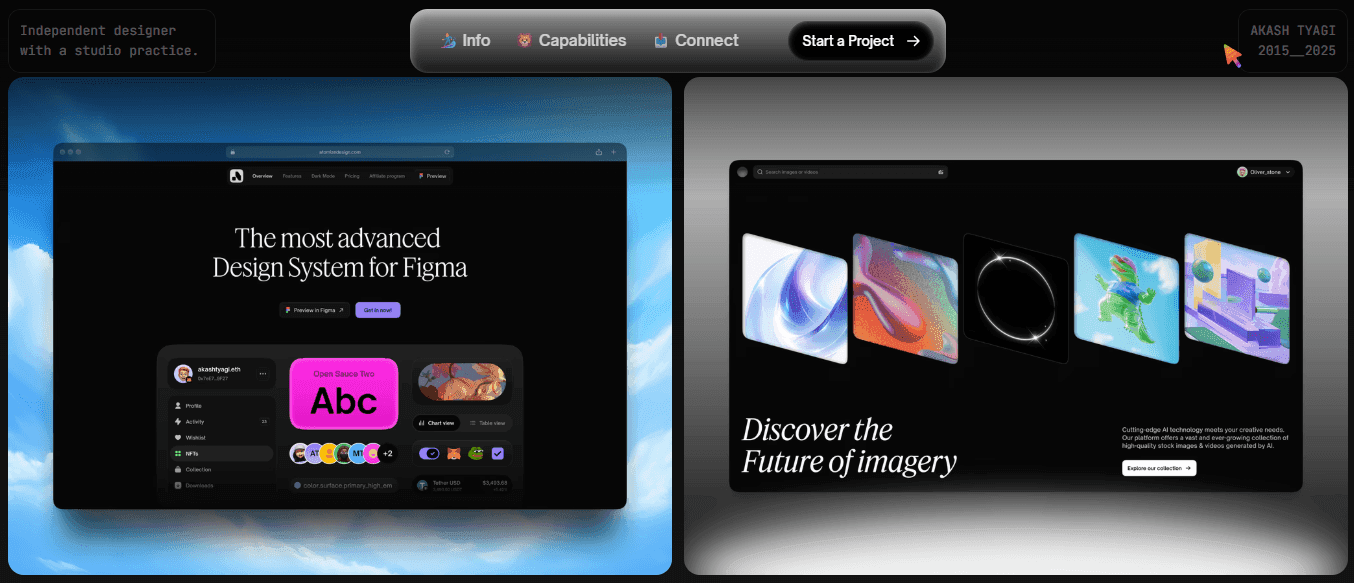
Below are several strong examples found online that capture the essence of glassmorphism and glassmorphic interfaces.
Is Glassmorphism Good for Website User Experience?
We now know that virtual glass textures and glassmorphic elements are central to this design principle. They create compelling visual effects through translucent and floating layers.
When Did Glassmorphism Become Popular?
Glassmorphism gained popularity after Apple introduced iOS 7 and macOS Big Sur. Microsoft later adopted the style within its Fluent Design System, helping glassmorphism become widely popular among designers.
In 2025, Apple introduced one of its boldest glassmorphism-based design changes.
The first iOS 26 beta was widely criticized for accessibility and usability problems. Apple addressed many of those issues in subsequent beta releases.
Apple continued to develop glassmorphism and introduced a technique known as Liquid Glass.
Previously, Apple’s interface used a frosted-glass texture. The update introduced a liquid-glass texture instead.
What Is Liquid Glass in Glassmorphism?
According to Apple Newsroom, Liquid Glass is translucent and simulates the qualities of real glass. Its color changes according to the surrounding environment, and it can intelligently adapt to light and dark conditions.
As we can see, Liquid Glass combines the appearance of glass with fluidity. Its texture changes according to the environment and the content around it.
What Problems Does Liquid Glass Have in iOS 26?
Apple’s Liquid Glass has received substantial criticism. Although some users like the new design, many have raised concerns about usability and accessibility.
Users have reported issues such as unclear text and eye strain.
Apple responded quickly. Based on user feedback, it released iOS 26.1 Beta 4, allowing people to customize the texture.
iOS 26 users can now choose Tinted or Clear in the transparency settings.Clear preserves the original high level of transparency.
By contrast, Tinted adjusts interface contrast and opacity to improve readability.
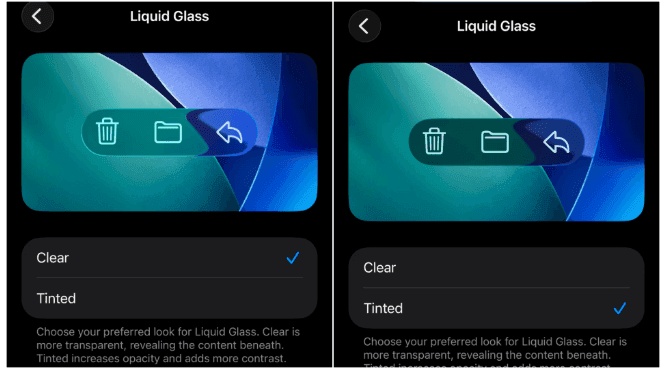
This illustrates how glassmorphism continues to push the boundaries of interface aesthetics.
How Does Glassmorphism Improve Website User Experience?
Glassmorphism can be difficult to use well. When applied properly, however, it can improve both appeal and usability. Rather than making a design feel cluttered, it adds depth.
Design is not only about rules and pixels. It is also about the emotional response people have when they see and use it.
How Does Glassmorphism Affect Emotion?
Soft glass textures can create a calming emotional effect. Clean rounded edges and gentle blur may reduce stress. This style communicates a sense of safety and helps people focus because glassmorphic designs generally contain fewer visual distractions.
Does Glassmorphism Build Visual Hierarchy?
Yes. Glassmorphic visuals can create hierarchy by organizing information clearly. When designers place translucent panels over a strong solid-color background, they can emphasize important content rather than secondary information.
How Does Glassmorphism Affect User Attention?
Glassmorphism can guide attention and help users locate what they want quickly.
It achieves this through background blur, which brings information forward and makes content more prominent. Translucent layers create clear hierarchy and depth. When glass textures are combined with a clean interface layout, distractions are reduced and attention becomes easier to direct.
These are several ways glassmorphism can make an interface stand out while improving the website experience.
Now it is time to consider another important part of website UX: usability, particularly navigation.
What Is a Voice User Interface (VUI)?
Do you remember JARVIS from Iron Man or Miss Minutes from Loki? Characters like these exist only in science fiction, right? Not anymore.
Imagine relaxing on a sofa when you suddenly decide to buy something. Instead of searching manually, you issue a voice command that takes you directly to the product page. You find what you need without touching a smart device.
That is the essence of a voice user interface.
Research also indicates that 20.5% of online search users use voice search, showing how popular voice interaction has become.
What Is a Voice User Interface in Website UX?
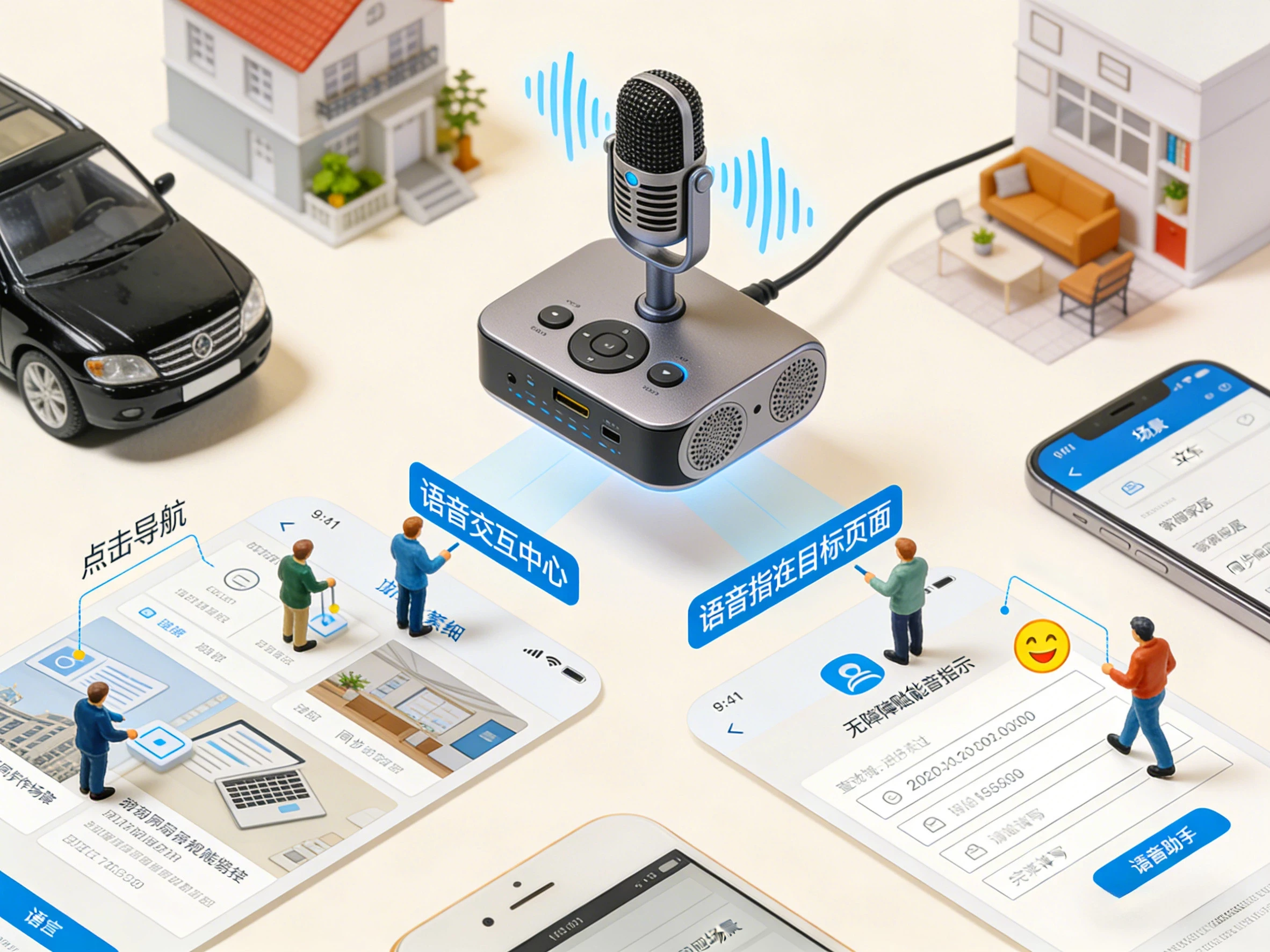
A voice user interface is an interface that communicates with people through spoken commands. On a website, VUI can provide remote control of a system without requiring the user to look at the screen.
Are Voice User Interfaces Popular?
Yes. Voice interfaces are widely used. Because they rely on command-based input, they can make navigation smooth and seamless, which is one reason they are popular in user-experience design.
According to Statista, total smart-speaker shipments are expected to exceed 270 million units by 2028. In 2024, the number of voice-assistant users in the United States was already close to 150 million.
These figures show how popular voice interfaces have become.
But why are they so popular? Let us find out.
Why Are Voice User Interfaces So Popular?
We have all heard of devices such as Alexa and voice assistants such as Siri and Google Assistant. Even a new generation of AI chatbots, including ChatGPT, has integrated voice interfaces. This is one reason VUI is becoming dominant.
One question remains.
How Does a Voice User Interface Work?
Using VUI on a website provides several benefits, including speed, usability, and simplicity.
-
First, voice user interfaces improve speed. Speaking is faster than typing, and voice provides a more convenient way to send information to a system.
-
Second, a conventional interface may offer settings, folders, and advanced search. With a voice interface, users can simply ask a question and jump directly to the section they need. This makes website navigation extremely smooth and improves the user experience.
-
Voice user interfaces are also known for their simplicity. Voice commands usually feel natural and conversational. Almost anyone can therefore use a VUI without understanding complex interface elements.
Voice interfaces offer additional benefits in website UX, including accessibility and inclusion.
Nothing is perfect, however, and VUI also presents several challenges.
Do Voice User Interfaces Have Any Challenges?
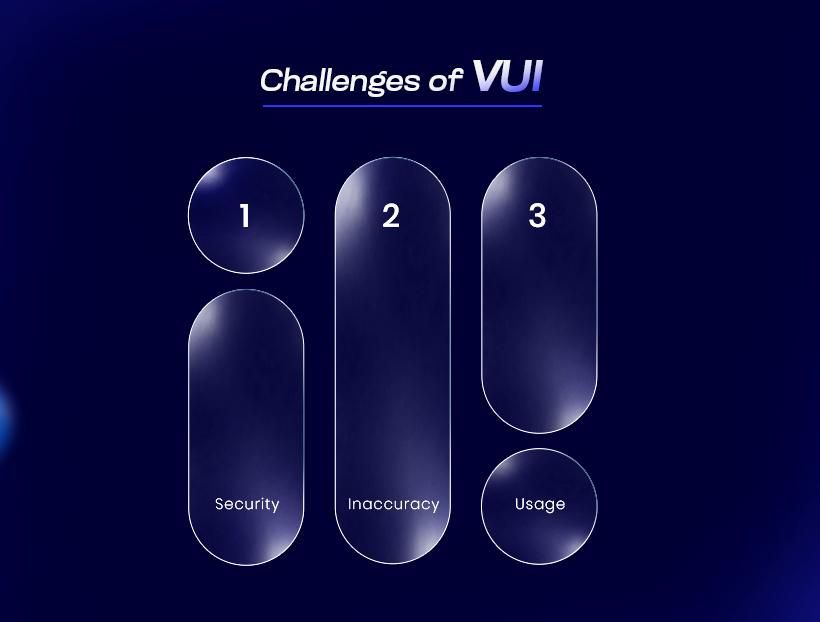
Yes. The main challenges include:
-
Security concerns
-
Inaccuracy
-
Usage limitations
Voice interfaces can provide privacy controls and help people manage their data, but security concerns remain. Some companies are not sufficiently transparent about how voice data is collected, stored, and used.
Rather than developing without obstacles, VUI continues to face language barriers. Interfaces sometimes misunderstand commands, reducing search accuracy.
Another major problem is that voice interfaces can be difficult to use in public. Privacy is one concern, and background noise can also produce inaccurate results.
Is Combining Glassmorphism and Voice Interfaces Effective in Website UX Design?
Combining glassmorphic design with a voice user interface can help create an exceptional website experience. The result can communicate a futuristic character, and when implemented properly, the two approaches complement one another.
Why Do Glassmorphism and VUI Work Well Together in Website UX?
Glassmorphism gives a website a premium, fashionable, and futuristic appearance. The site can feel modern and minimal while remaining immersive.
Voice interfaces, meanwhile, add an intuitive, natural, hands-free experience that improves navigation and usability.
By engaging multiple senses, the website can provide a richer multisensory experience.
How Can Glassmorphism and Voice Interfaces Be Combined Effectively?
-
Glassmorphism can provide visual feedback. When a user issues a voice command, the response can appear on an element with a frosted- or liquid-glass texture.
-
Animation also works well with voice responses. When users speak, subtle effects or a glass shimmer can make the system appear to be listening and thinking carefully.
-
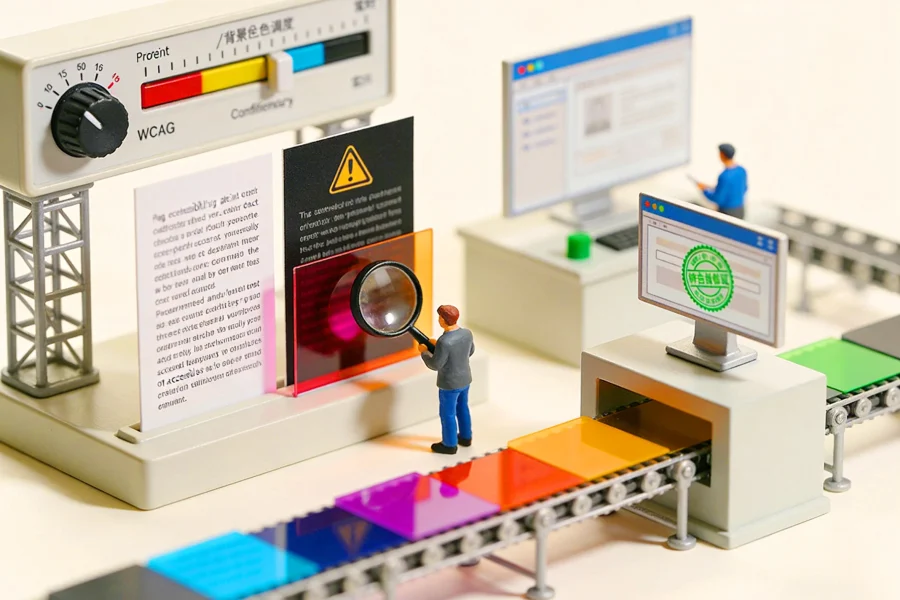
Clarity and usability must remain priorities. Glassmorphism is soft and minimal, but effective contrast is essential. Clear, readable text and inclusive voice functionality are critical to a strong website experience.
-
Keep the voice interface natural and conversational. Its tone should also be adjusted to match the visual style.
Glass That Speaks, Design That Listens: Creating the Future of Website UX
This is how glassmorphism and voice interfaces can strengthen a website’s user experience.
Glassmorphism should be used carefully when creating visual depth. Excessive use can cause visual fatigue.
Poorly executed glassmorphic interfaces—such as those with inadequate contrast—can damage website usability.
In a voice interface, privacy is one of the most important issues to consider.
With thoughtful planning, an effective combination of glassmorphic elements and voice interaction can transform the experience. It can create outstanding UX while making a website feel both futuristic and natural.