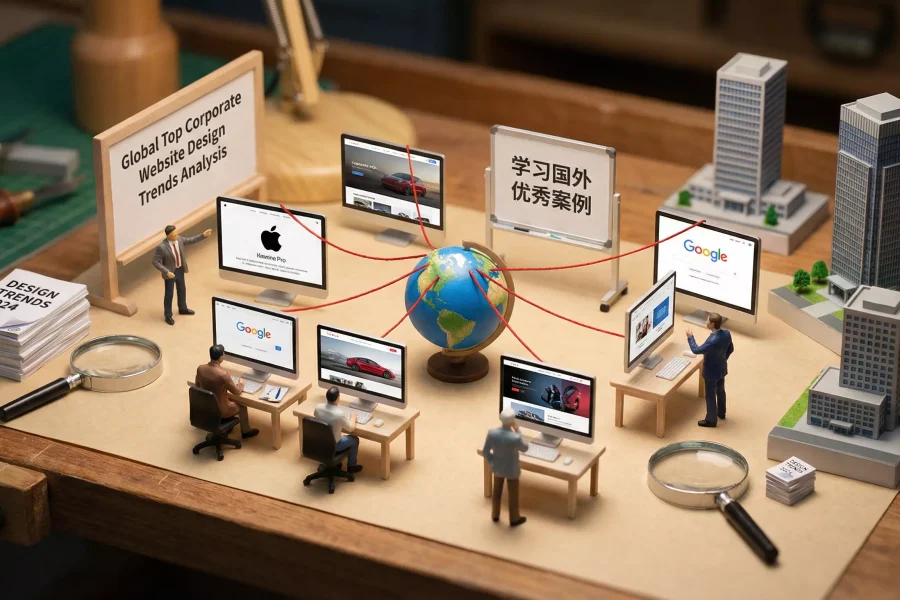
As digital competition intensifies, leading global brands continue to invest in improving user experience in order to stand out from their competitors. Through technological innovation and deep user insight, these brands create memorable product and service experiences.
Personalization is one of the most important trends. Using big data and artificial-intelligence algorithms, companies can anticipate user needs and provide tailored content and functionality. Some e-commerce platforms, for example, recommend products according to browsing history and purchase preferences, while streaming services create playlists based on viewing behavior so users can discover relevant content without searching.
Voice and conversational interfaces are spreading rapidly. Voice assistants and chatbots allow users to search, place orders, and contact customer service in natural language, improving efficiency and reducing the learning curve. Some international banks and airlines have already embedded conversational interfaces in their applications, enabling users to transfer money or check flight information through voice commands.
Immersive experiences are another way brands are attracting users. Augmented-reality (AR) and virtual-reality (VR) technologies are being used for product trials, virtual showrooms, and brand storytelling. Furniture retailers, for example, provide AR applications that let customers preview furniture in their homes, while automotive manufacturers use VR to demonstrate vehicle interiors and driving experiences.
Cross-platform consistency must not be overlooked. As users move frequently between phones, tablets, and desktop computers, brands need to provide a seamless experience across devices, including consistent interface styles, synchronized data, and continuous workflows. This consistency prevents users from having to relearn or repeat actions and significantly improves satisfaction.
In summary, global brands continue to explore new technologies and approaches for improving user experience. Through personalization, conversational interfaces, immersive experiences, and cross-device consistency, they create interactions that are more convenient and enjoyable. When studying these innovations, local companies should adapt them to their own businesses and audiences and develop experience strategies suited to their users.