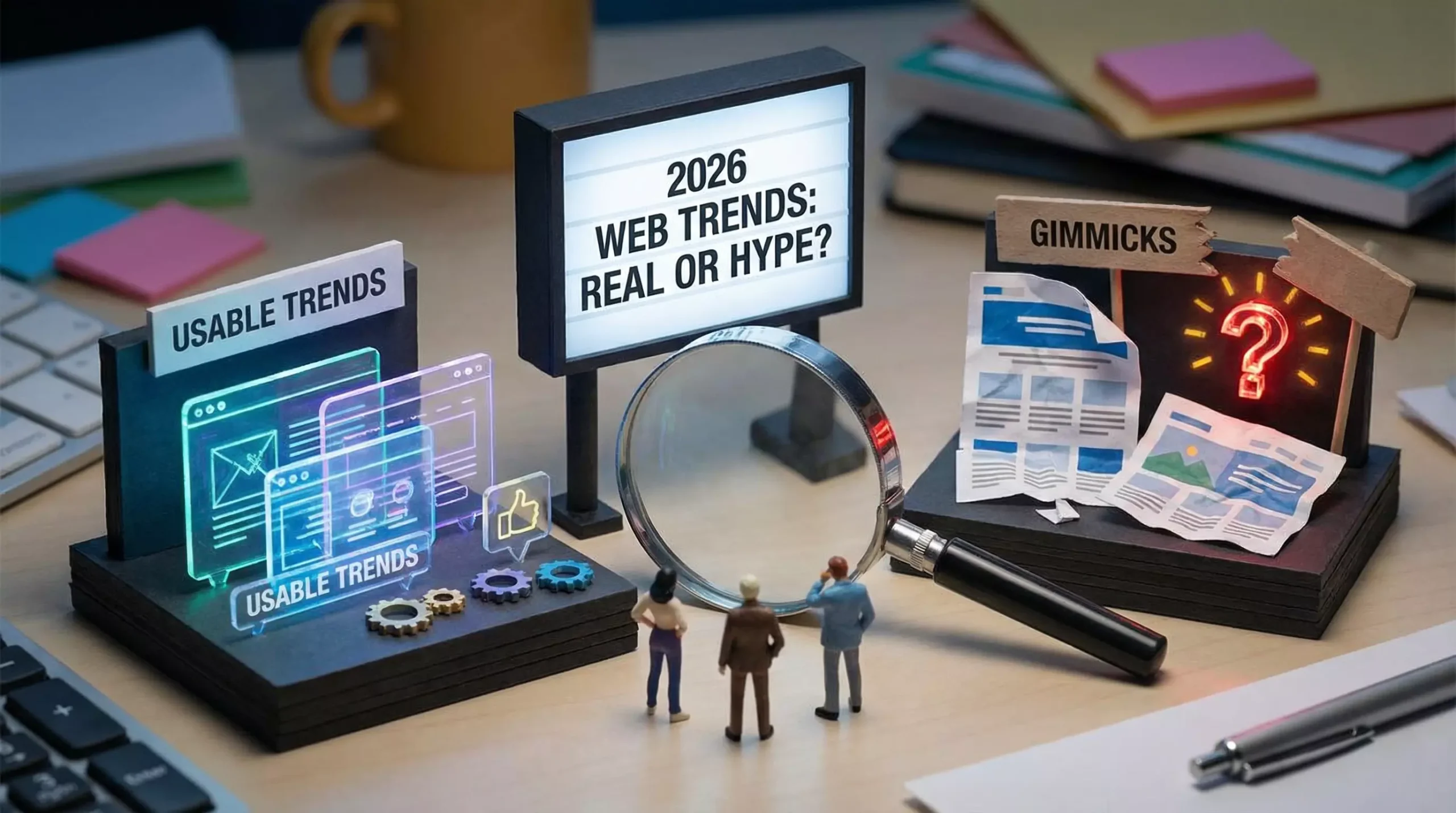
Every year brings a new collection of “web design trends.”
But the real question is:Which trends are worth implementing, and which are only worth looking at?
In real projects at 58UI Design Studio, we focus more closely on three questions:
-
Does the trend genuinely improve the user experience?
-
Does it support the brand and conversion?
-
Will it remain effective for the next one or two years?
Based on the major web-design trends for 2026, this article evaluates them from three perspectives:practicality, commercial value, and implementation risk.
Overview of Web Design Trends for 2026
The major web-design trends for 2026 are concentrated in the following areas:
-
AI participation in the design process
-
Futuristic Minimalism
-
Immersive 3D experiences
-
Dark Mode
-
Neumorphism
-
Expressive typography
-
Micro-interactions
-
Brutalism
Not every trend is suitable for every project.
Trend 1: AI Is Changing How Design Is Done, Not Replacing Designers
Many people have heard the claim:
“AI will replace designers.”
At present, a more accurate statement is:
👉 AI is becoming a productivity tool for designers rather than a replacement.
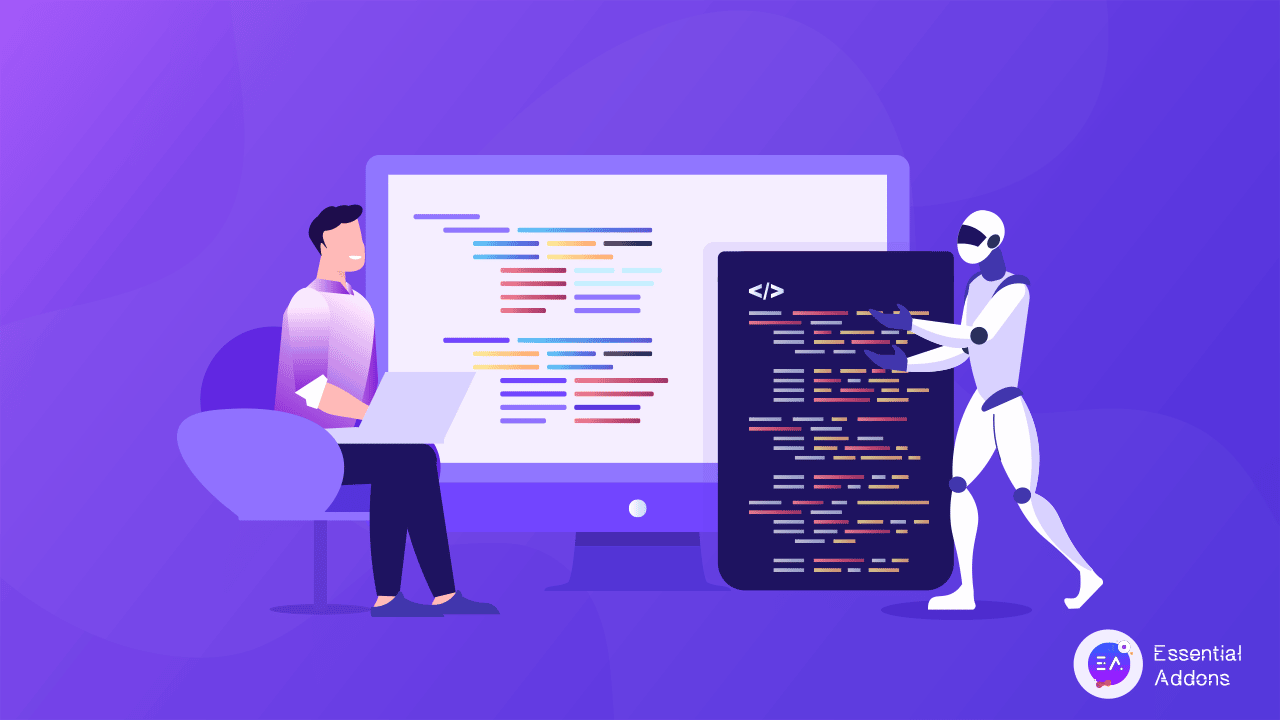
In real projects, AI is frequently used for:
-
Image generation and sketch exploration
-
Color assistance, such as intelligent palettes
-
Image enhancement and asset optimization
-
Template and modular-content generation
But genuine information architecture, user journeys, and brand judgment still depend heavily on experience.
Conclusion:
AI is suitable for supporting design, not replacing decision-making.
Trend 2: Futuristic Minimalism Remains a Mainstream Solution
Minimalism does not mean simplicity. It is restraint after difficult decisions have been made.
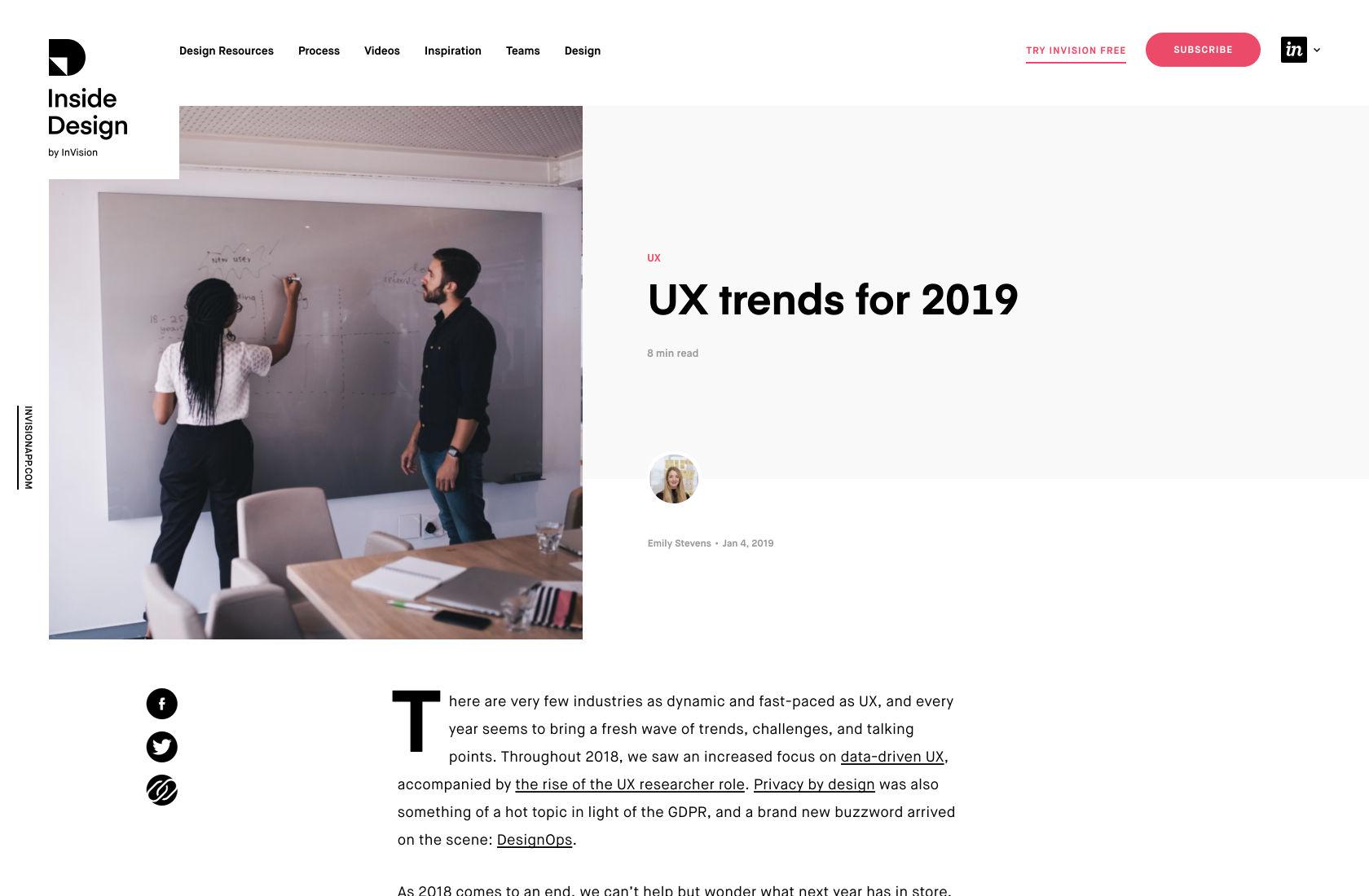
Typical characteristics of futuristic minimalism include:
-
Clear visual hierarchy
-
Generous whitespace combined with strong focal points
-
A restrained color system
-
Simple but powerful typography
For corporate websites, B2B products, and technology brands,
minimalist design remains one of the lowest-risk and most reliable approaches for conversion.
It is also one of the design strategies most frequently used by 58UI Design Studio in corporate-website and product projects.
Trend 3: Immersive 3D Experiences—Use Carefully, but Do Not Reject Them Entirely
3D visuals, parallax scrolling, and immersive interactions became significantly more common in 2024.
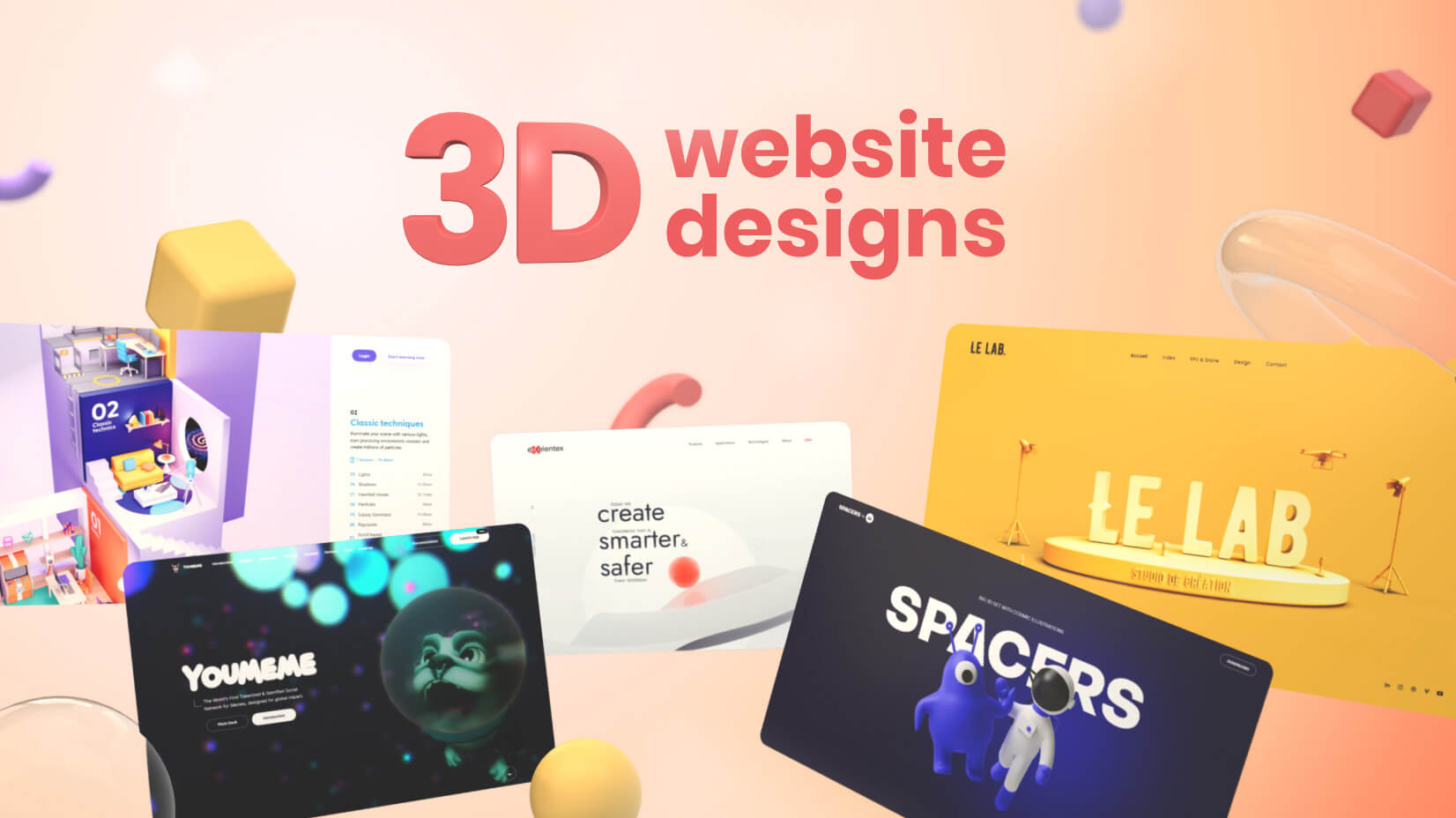
Advantages:
-
Strong memorability
-
Well suited to brand presentation and creative websites
Risks:
-
High performance requirements
-
An inconsistent mobile experience
-
A tendency to overwhelm the primary content
Recommendation:
3D is more suitable for brand-presentation pages than for core conversion journeys.
Trend 4: Dark Mode Is Now Expected, but It Must Be Optional
Dark mode is no longer simply a trend. It is a user expectation.
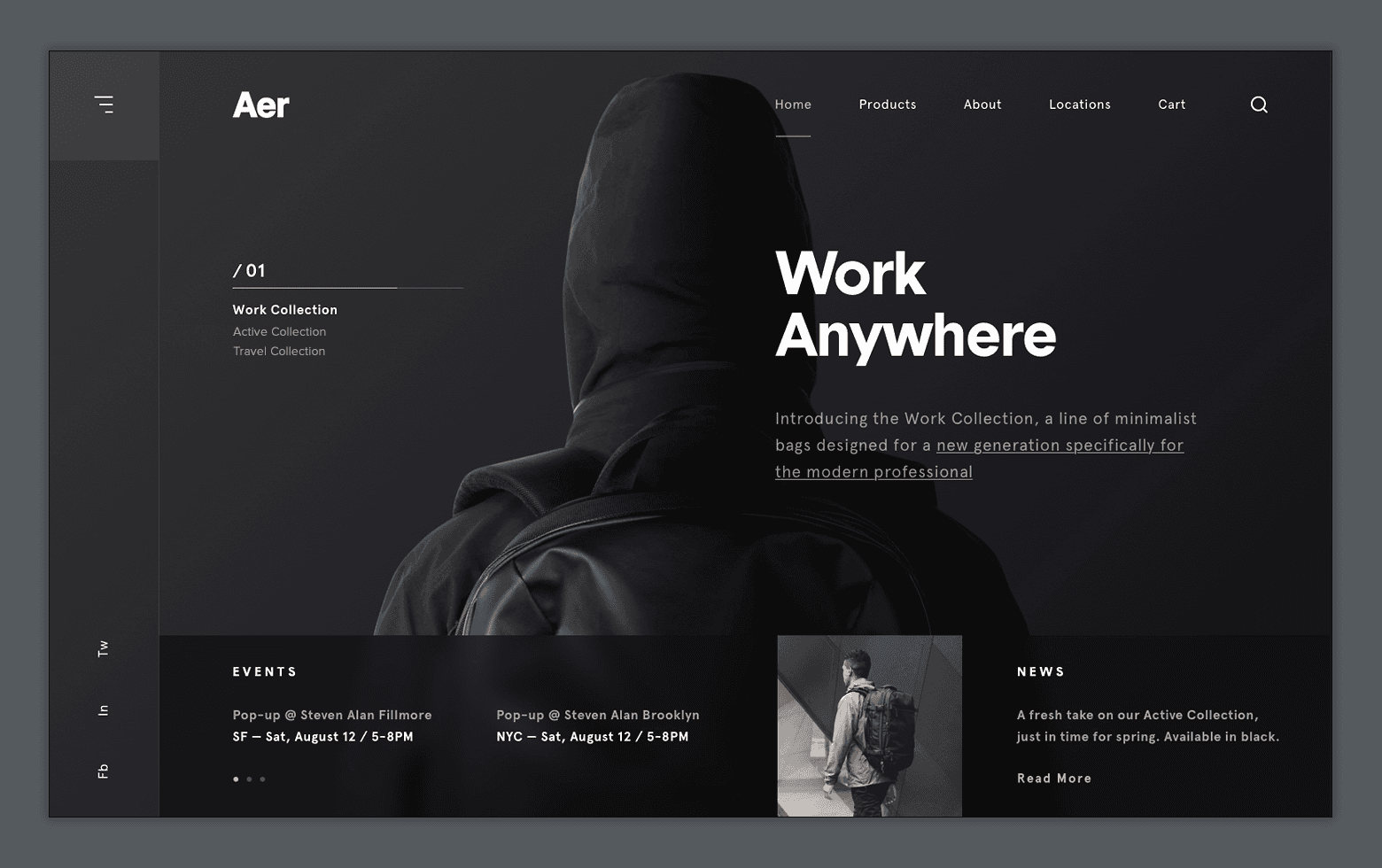
Advantages:
-
A visually premium appearance
-
A more comfortable nighttime experience
-
Reduced energy use on some devices
Important considerations:
-
Dark color schemes do not automatically provide readability.
-
Users must be able to switch between light and dark modes.
-
Contrast and accessibility requirements must be satisfied.
Forcing dark mode does not create a good experience.
Trend 5: Neumorphism—Attractive but Highly Dependent on Context
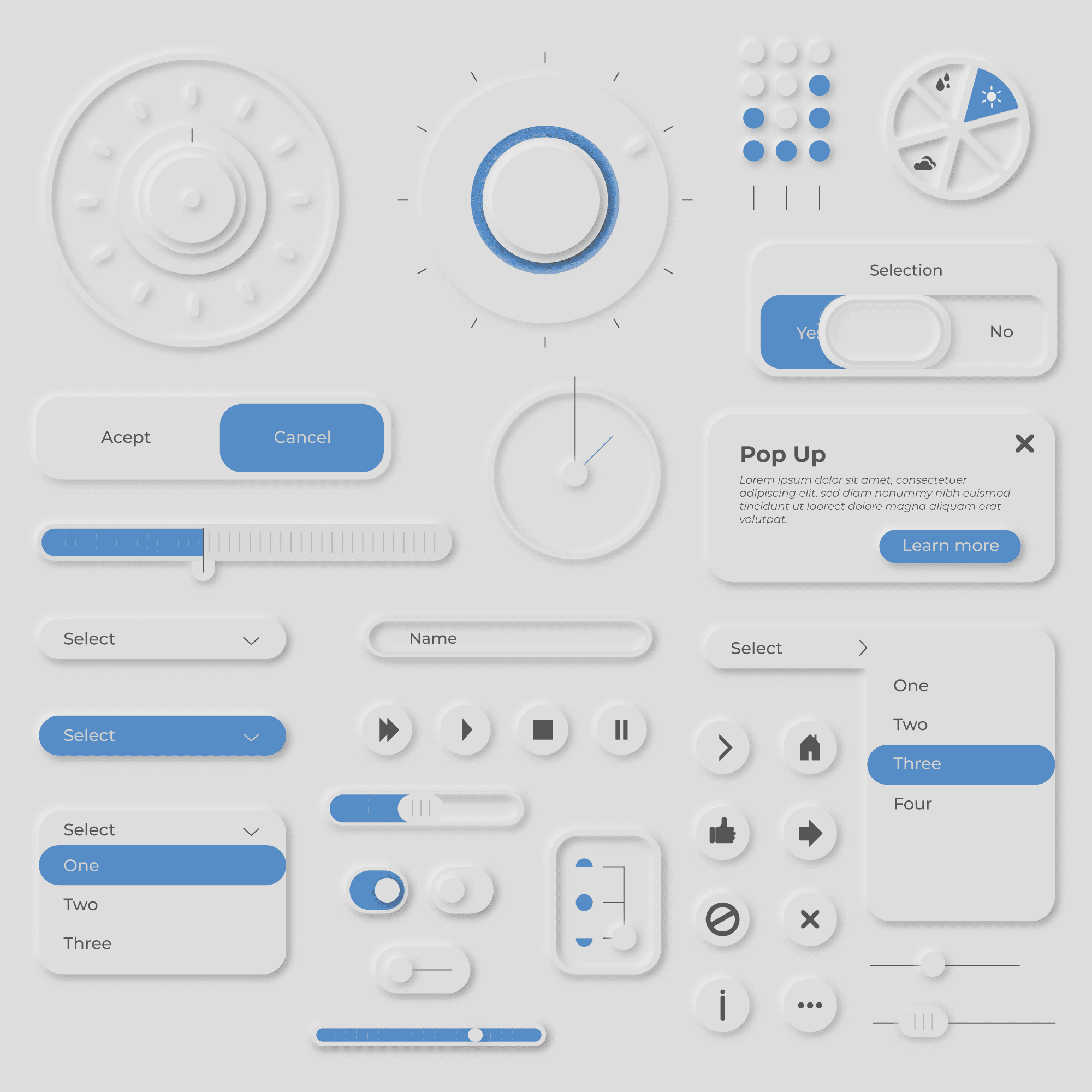
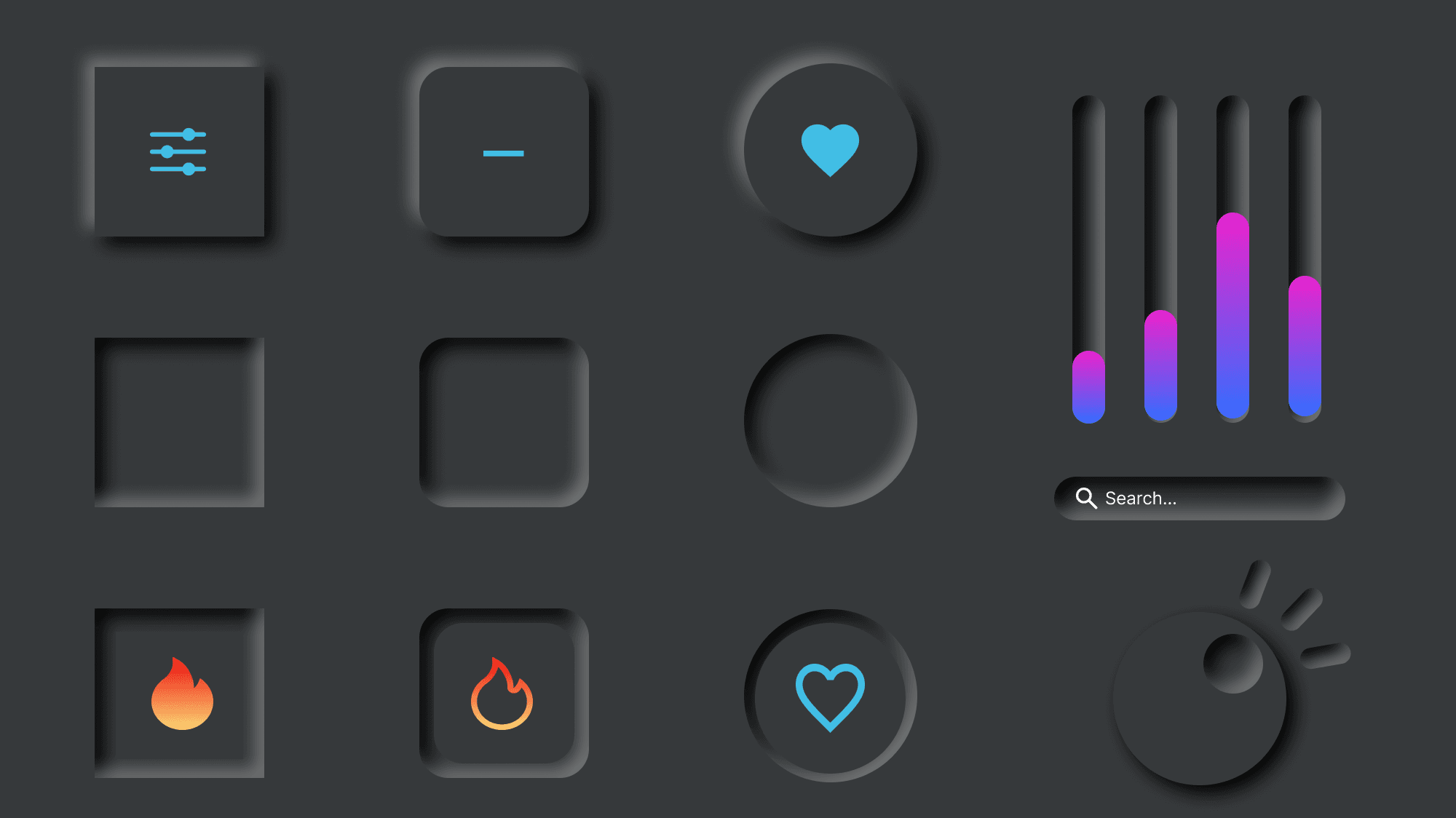
Neumorphism emphasizes:
-
Soft shadows
-
Subtle embossed and recessed surfaces
-
Interfaces resembling physical objects
The problems are:
-
Low contrast
-
Poor accessibility
-
Limited suitability for complex information systems
Conclusion:
It works for concept designs or selected interface elements, but not for large-scale systems.
Trend 6: Expressive Typography Is Returning, but Readability Is Nonnegotiable
Typography is changing from a neutral tool into a form of brand expression.
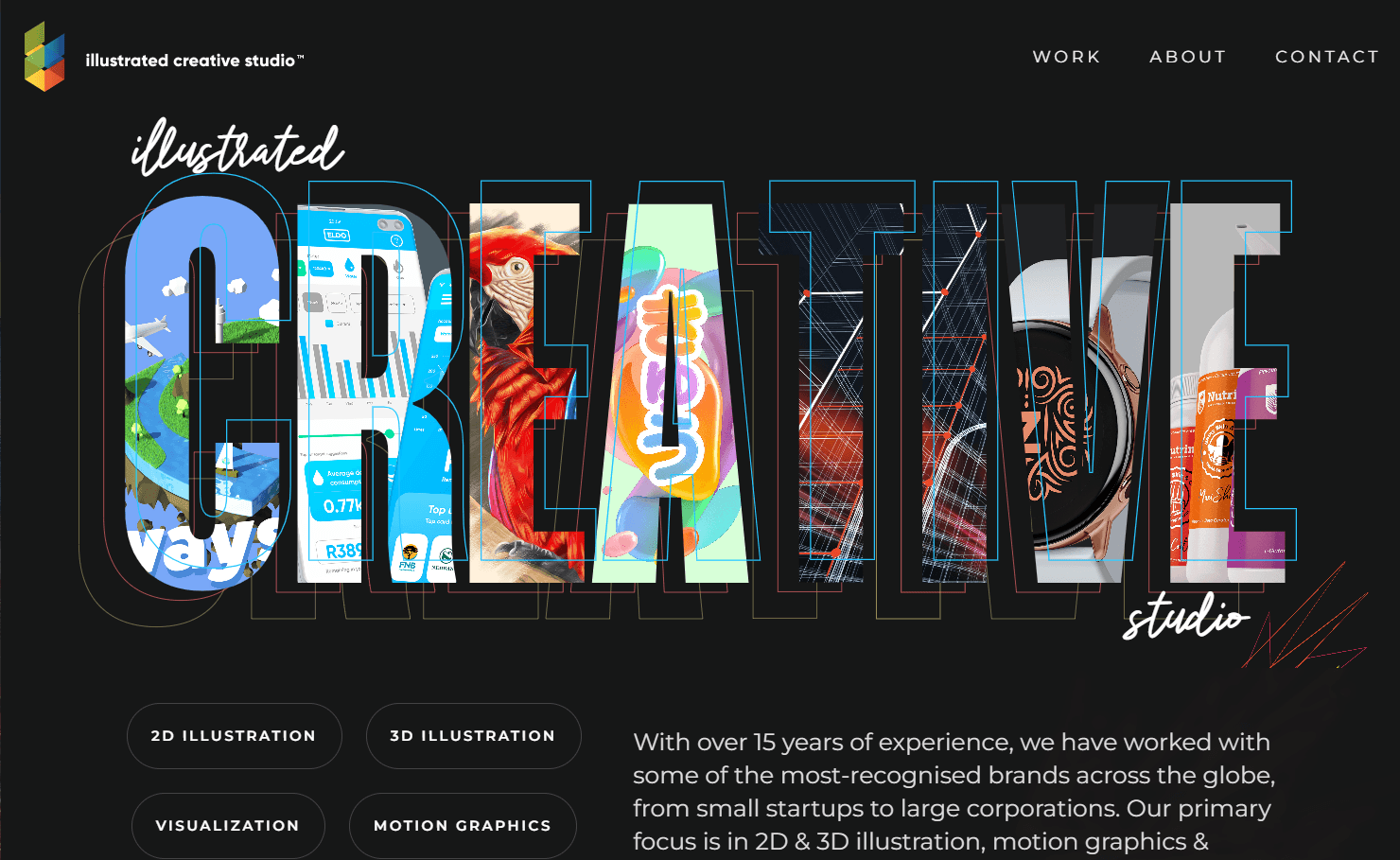
It works well for:
-
Banners
-
Homepage hero sections on brand websites
-
Campaign pages
It is not suitable for:
-
Long-form text
-
Functional interfaces
Typography must always serve the content rather than overpower it.
Trend 7: Micro-Interactions Are the Details That Genuinely Improve Experience
Micro-interactions are not technical showmanship. They are a feedback mechanism.
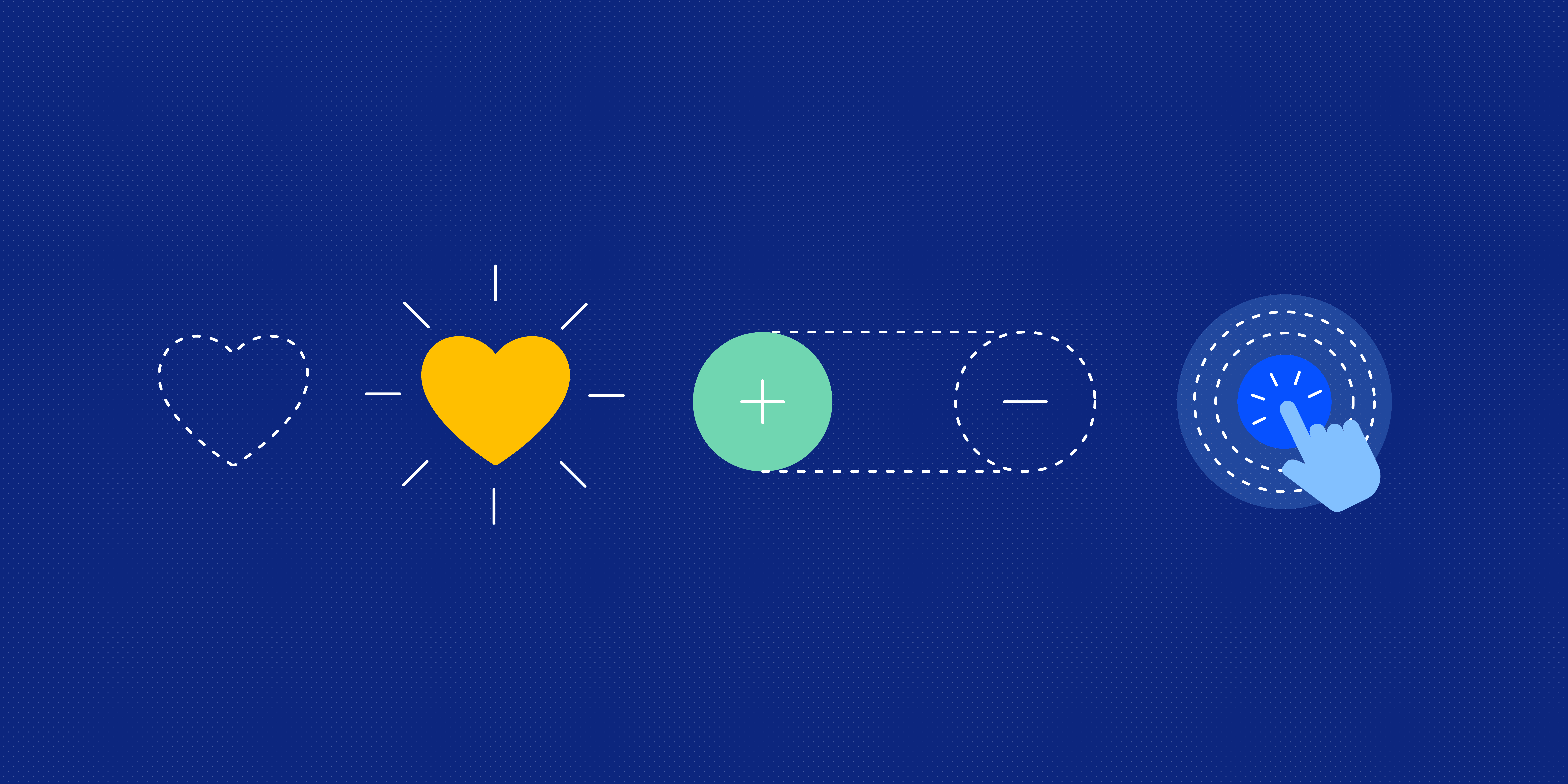
Typical applications include:
-
Button feedback
-
Transition animation
-
Loading progress
-
Action confirmation
The essence of a micro-interaction is:
Letting users know that the system understood the action they just performed.
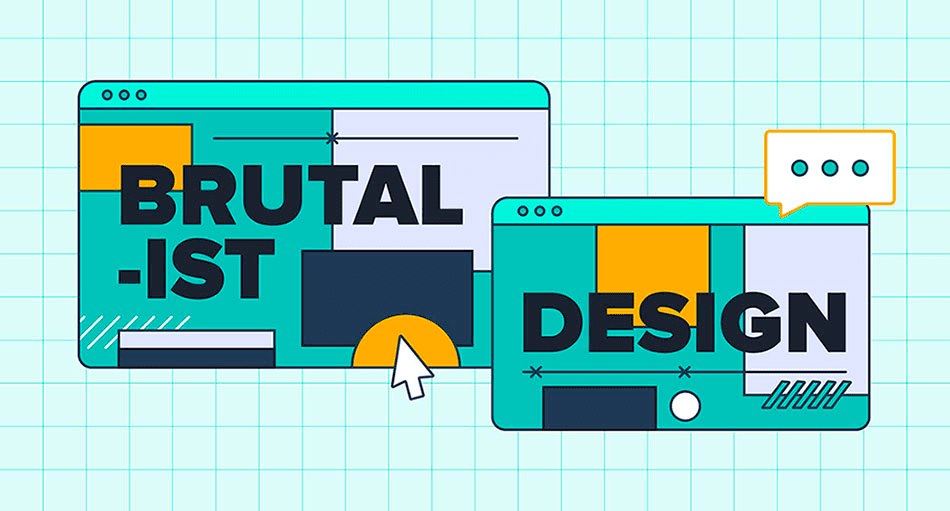
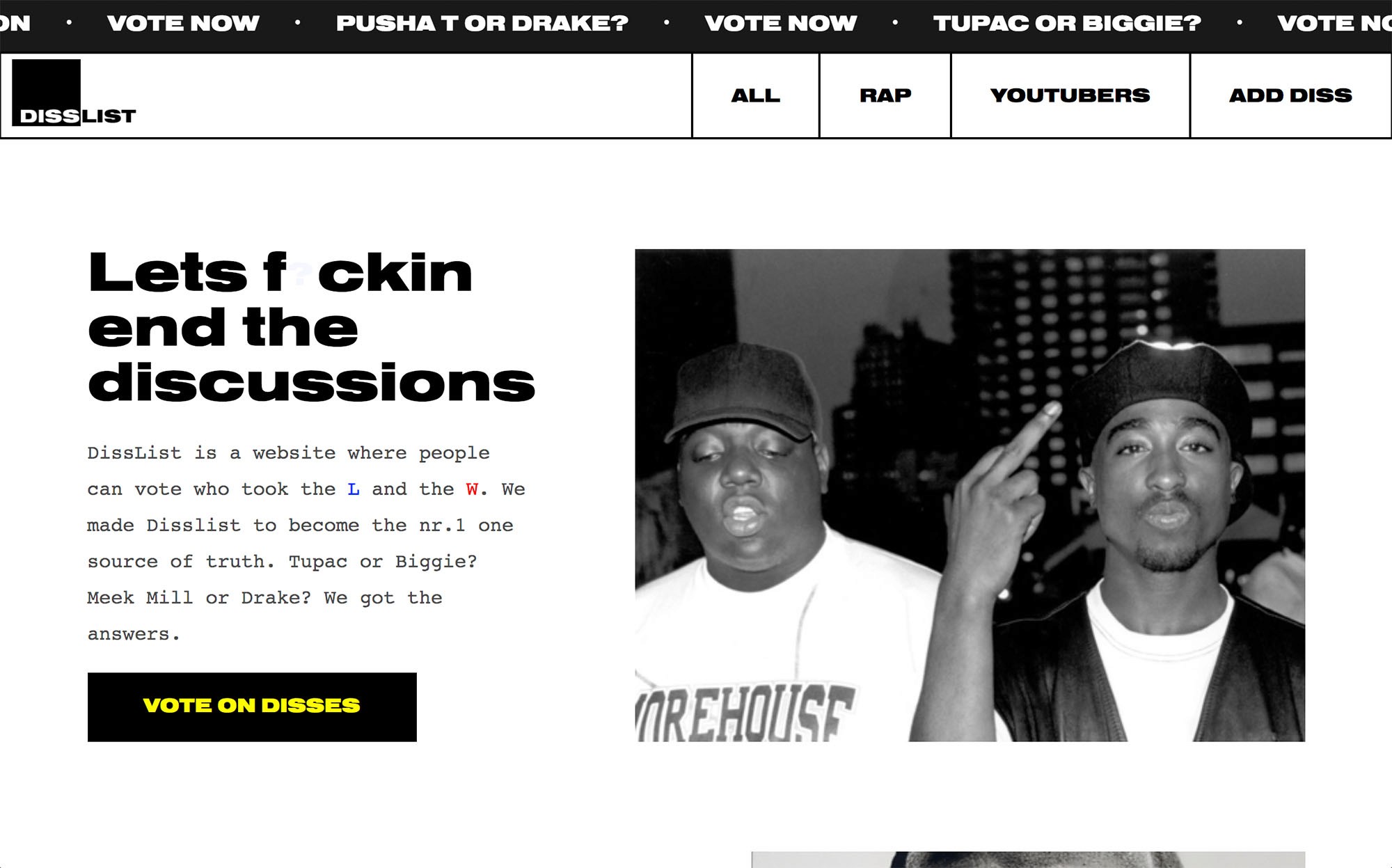
Trend 8: Brutalism Is Niche, but It Has a Clear Point of View
Brutalism emphasizes:
-
Content first
-
Extremely simple HTML and CSS
-
An anti-mainstream aesthetic
It is suitable for:
-
Experimental projects
-
Independent creators
-
Artistic and anti-commercial expression
It is not suitable for:
-
Corporate websites
-
Conversion-oriented products
How Should Web-Design Trends Be Used Rationally?
At 58UI Design Studio, we consistently follow one principle:
Trends are tools, not objectives.
A mature web-design solution should:
-
Solve user problems first.
-
Consider visual expression second.
-
Only then decide whether a trend should be introduced.
Truly excellent websites often avoid looking outdated without appearing desperate to follow every new trend.
Conclusion: In 2026, Do Not Let Trends Control the Design
Web-design trends will continue to appear, but human psychology does not change nearly as frequently.
If you are redesigning a corporate website, product, or brand, instead of asking:
“What is popular now?”
Ask first:
“What do my users need?”
That is the answer that matters more than any design trend.